Clair-obscur, and a building I'd never walked into
I've lost count of how many times I've visited the museums around Les Halles. The Louvre a few minutes away, the Centre Pompidou, the Orsay just across the river. I know those rooms. And yet the Bourse de Commerce, a perfect stone cylinder sitting right in the middle of all of it, I had never once stepped inside. A few weeks ago I finally did, and I came out wondering what took me so long.
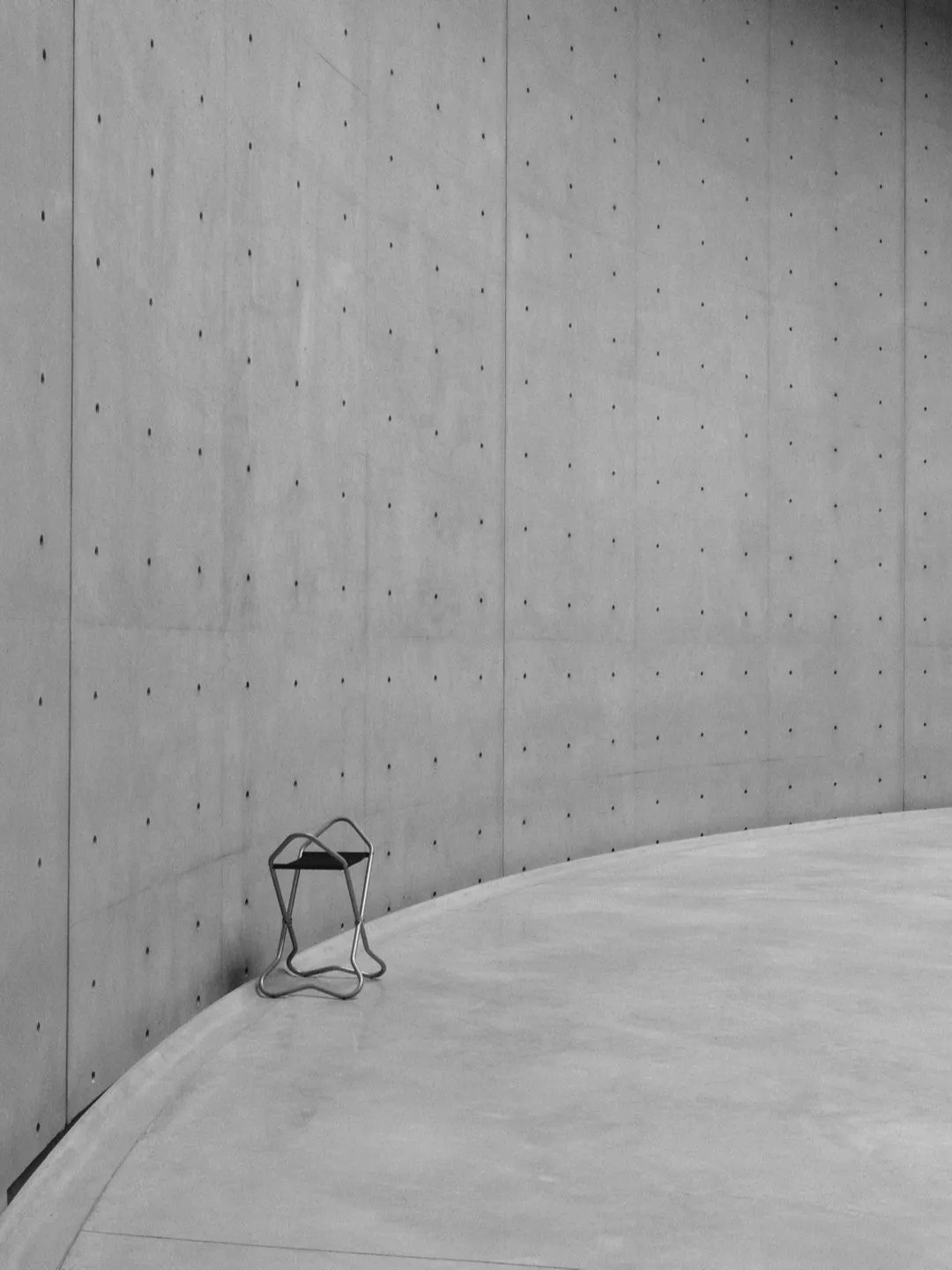
The building alone is worth the visit. Inside the old circular trading hall, Tadao Ando dropped a bare concrete cylinder, smooth and gray, standing under the original glass dome. You walk in and the light falls from above, filtered through the cupola, hitting that raw concrete and the stone around it. Old and new in the same breath. For someone who spends most of his time thinking about how light lands on a surface, the place is almost too generous.
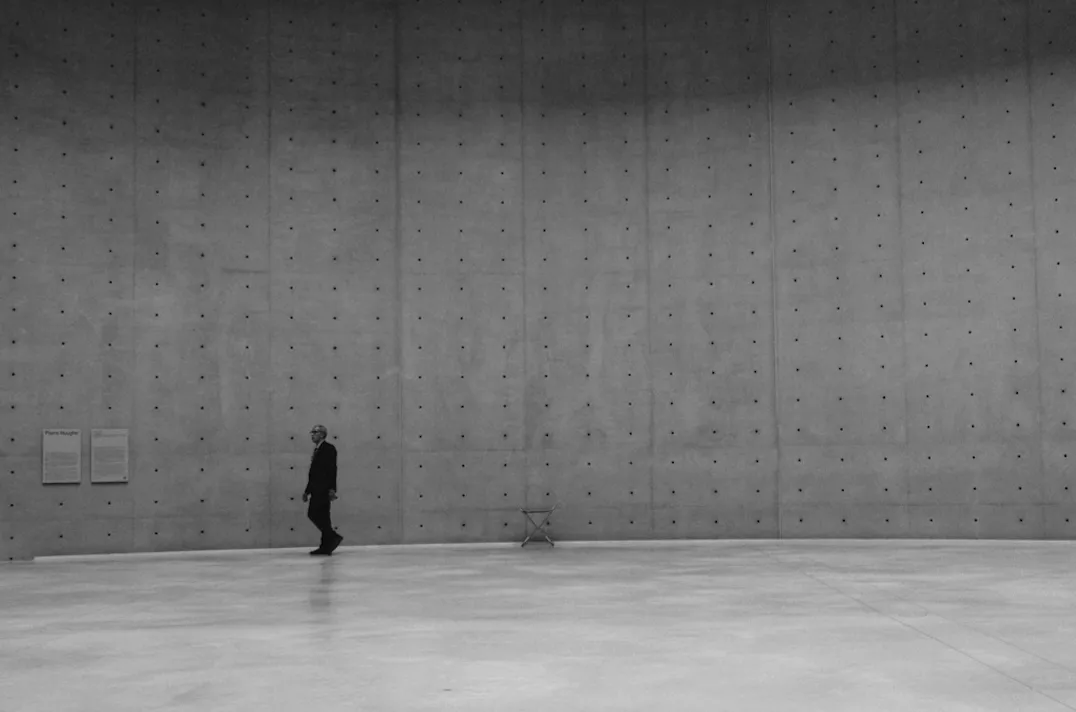
I went for the exhibition the museum is running until August 24, 2026, called Clair-obscur. The title is the French word for chiaroscuro, the play of deep shadow against sharp light that came into painting in the 16th century and never really left. Caravaggio pushed it hardest, dropping the world into darkness and letting a single shaft of light carry all the drama. Goya took it somewhere darker still. The show traces that line forward, from those old masters into work made in the last few decades, around a hundred pieces from the Pinault Collection, some of them shown here for the first time.
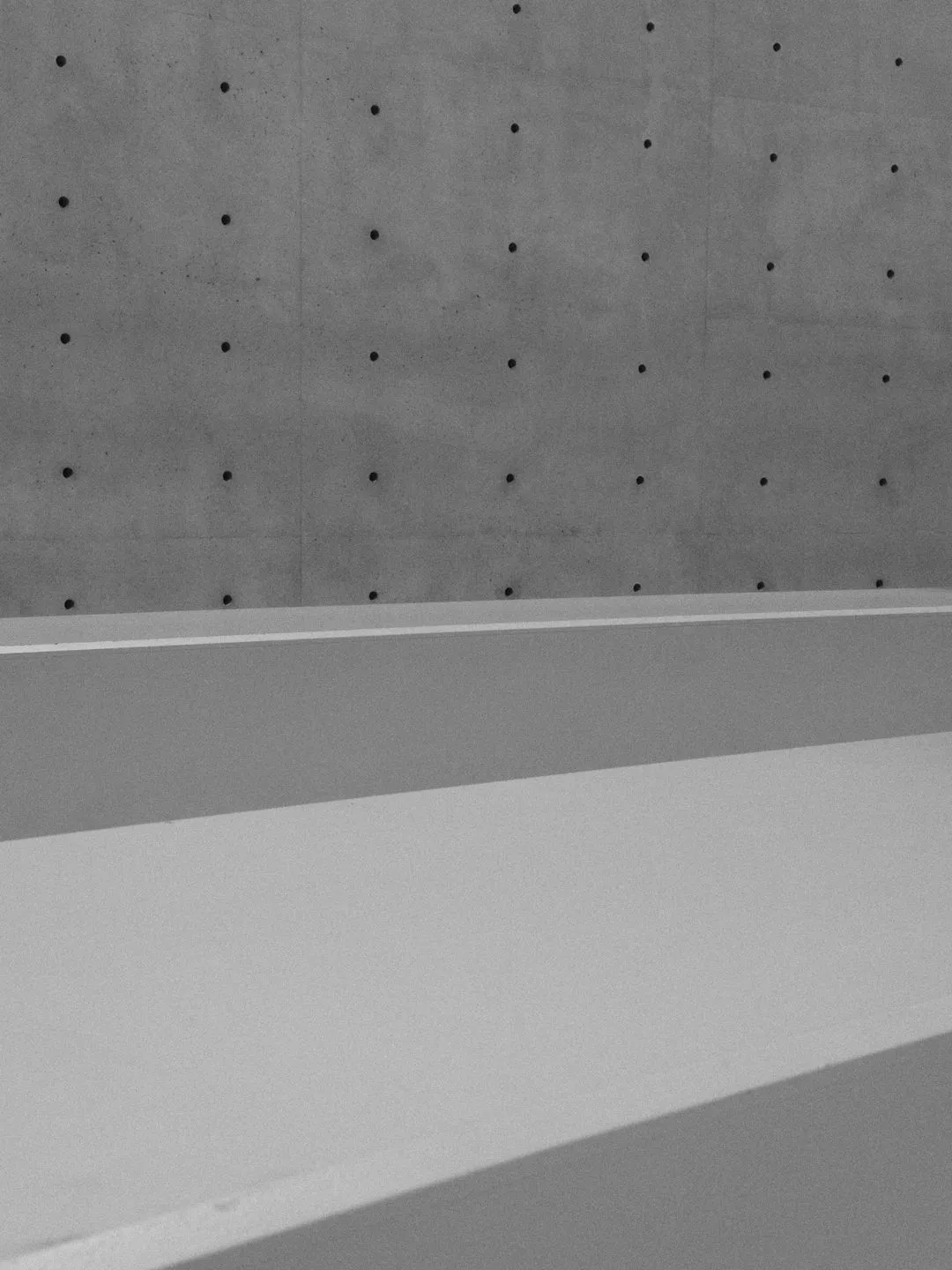
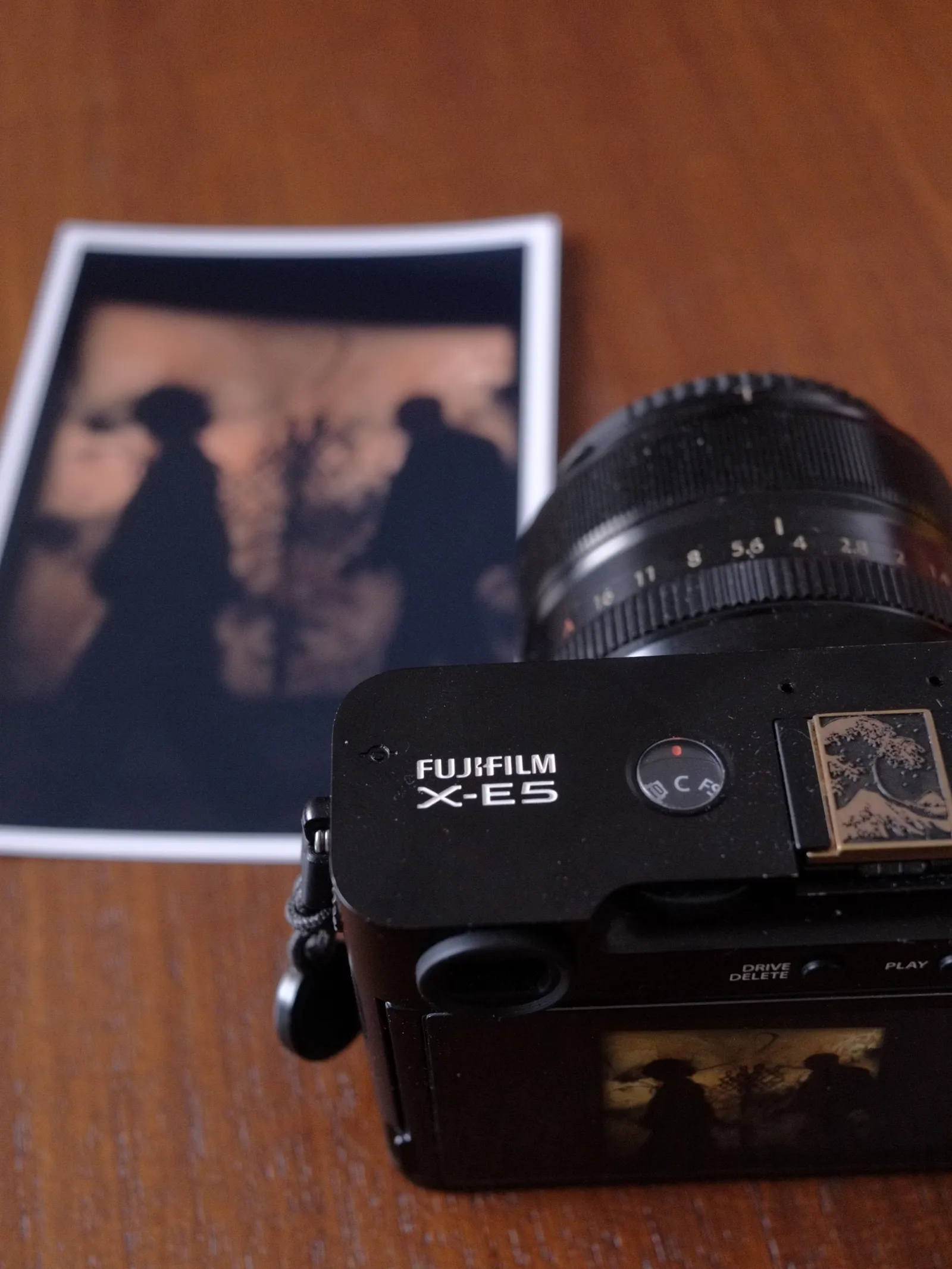
I'll be honest about why this exhibition spoke to me. I shoot some black and white with my own Grain Noir recipe, and thought it was built for exactly this kind of light. Dark interiors. A single source. Strong shapes pulled out of shadow. Walking through these rooms with my X-E5 (See my review HERE), I kept seeing frames the way the recipe sees them: blacks that hold, grays that breathe, a face or an edge of concrete catching the only light in the room. I didn't have to look for contrast. The curators had already arranged it for me.
Photographing the dark
There's a particular pleasure in shooting somewhere this dim. Most museums are lit to be neutral, even, readable. This one leans into the opposite. You spend a lot of time waiting for your eyes to adjust, then waiting for someone to step into a beam of light, then trusting the camera to keep the shadows as shadows instead of lifting them into mud. I slowed my shutter down whenever a scene let me, the way I always do when I want the grain and a hint of motion to carry the feeling rather than the sharpness.
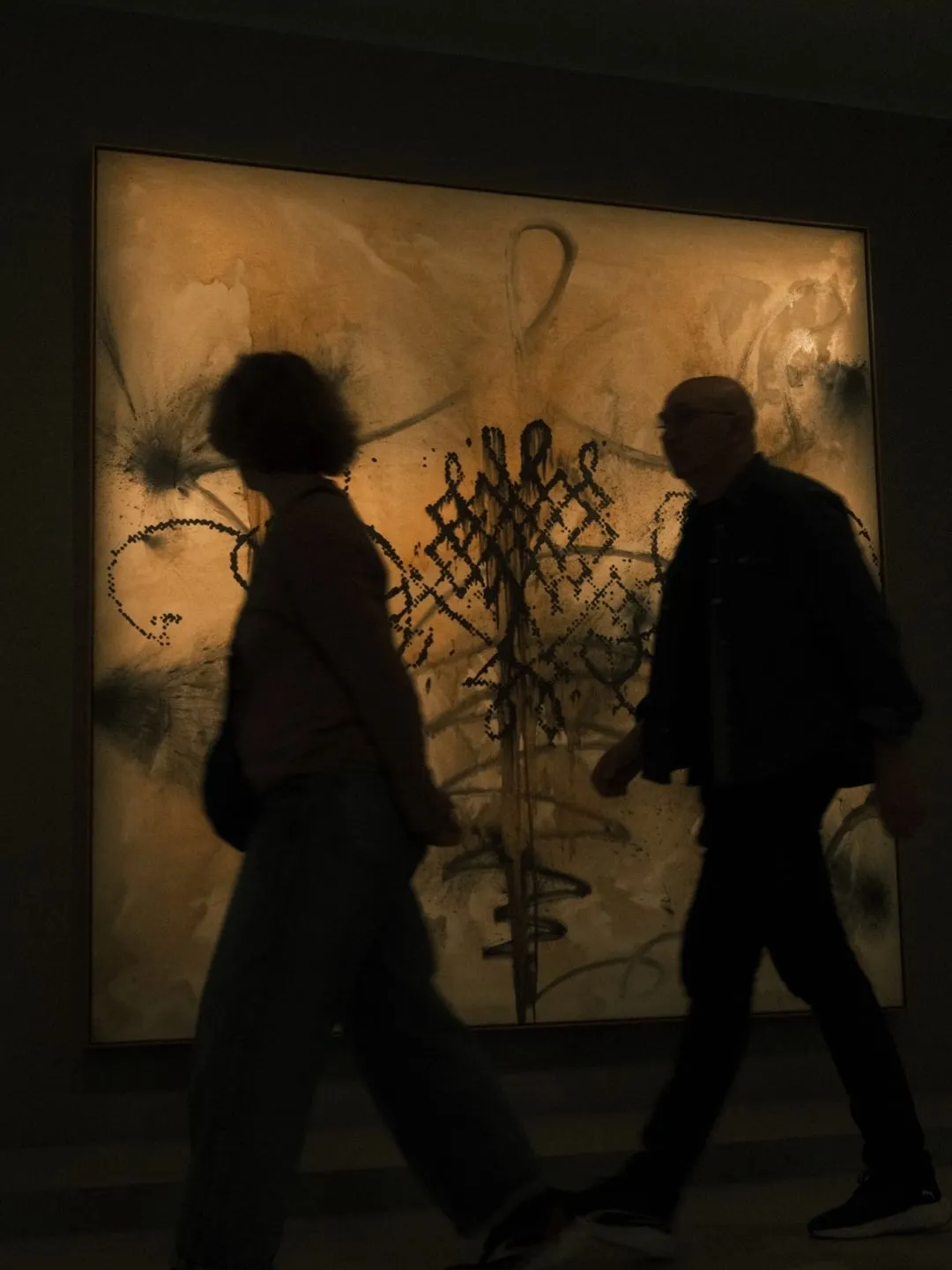
A few things stayed with me. Bill Viola's slow figures, bodies surfacing out of black at a pace that forces you to stand still and actually watch. The way whole galleries had been kept genuinely dark, not dim-for-effect but dark, so that the lit works felt like they were glowing from inside. And then, under the dome, the thing I wasn't ready for.
Switching to color
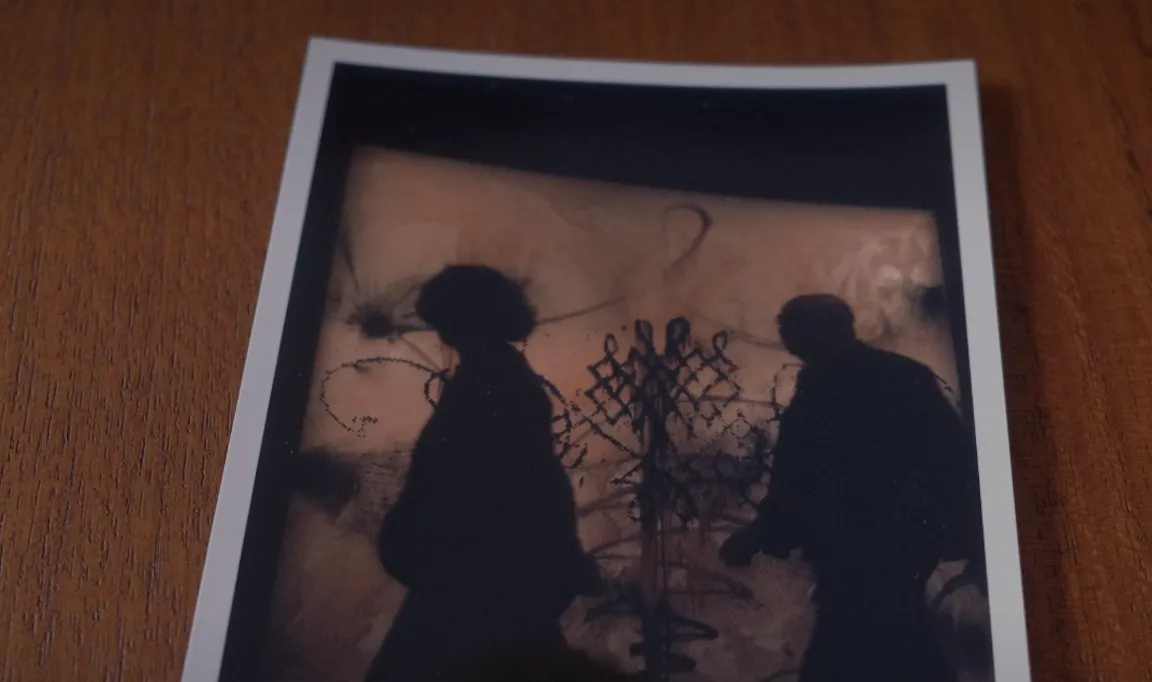
I shoot most of these places in black and white, but partway through I switched a custom slot over to Cinematic Gold, a warm color recipe I've been using a lot lately. It seems like an odd choice for rooms this dark, and that's exactly why it worked. The recipe pushes everything toward a golden, amber cast, so the few light sources in each gallery turned warm and heavy, almost like candlelight, while the people in front of them dropped into full silhouette. I spent a while just waiting for visitors to walk into the path of a light and become shapes. A figure paused in a doorway, the glow of a single work behind someone's shoulders, two silhouettes overlapping in front of a lit canvas. The warmth gave those frames a different weight than the monochrome ones. Where Grain Noir made the rooms feel graphic and sharp, Cinematic Gold made them feel like a memory of the place rather than a record of it. Same darkness, two completely different moods, and I left wanting to print both.
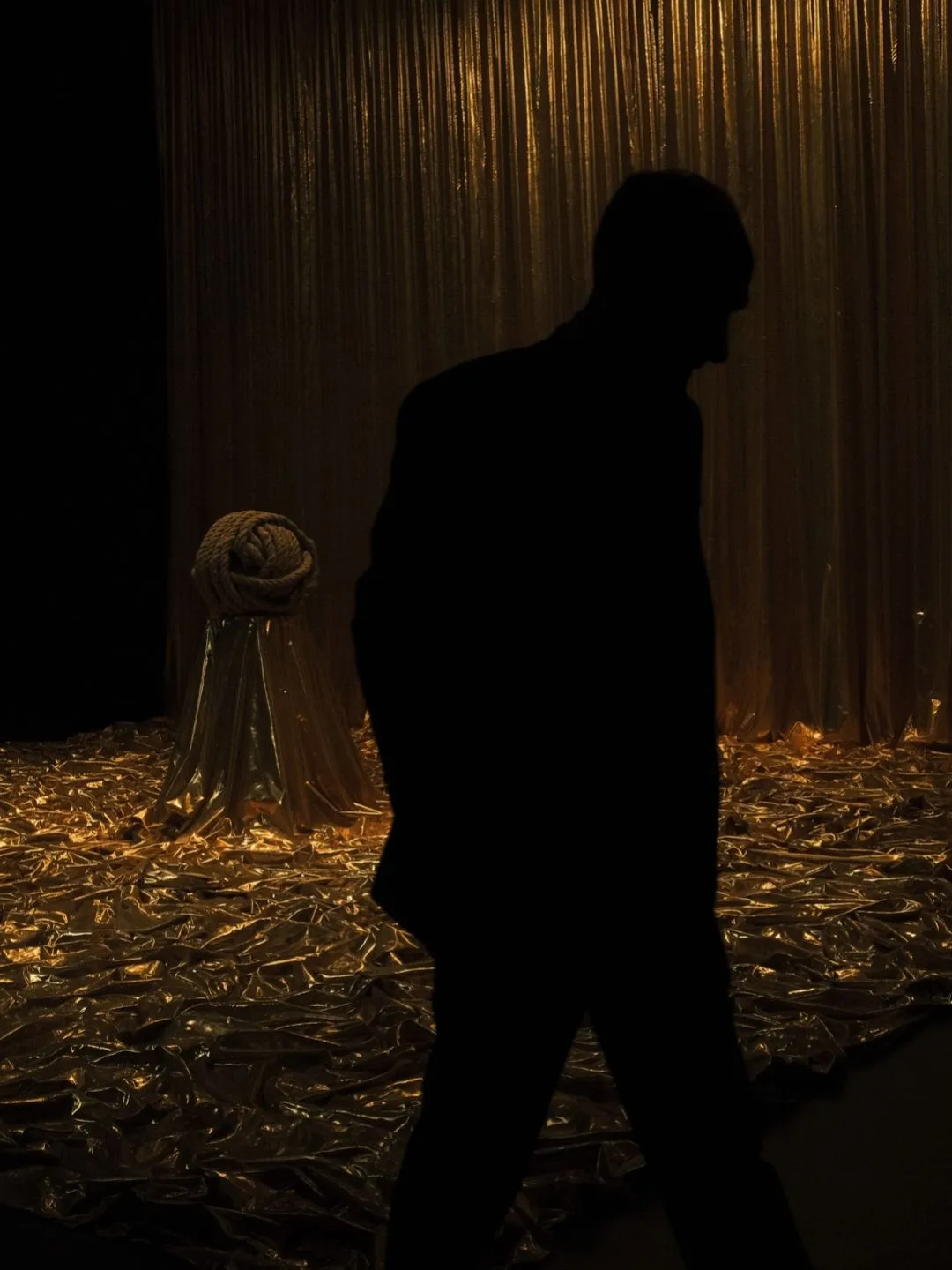
I went in expecting a building I'd been ignoring for years and a theme that happens to match how I see. I left with a memory card I was genuinely excited to look through that evening, and the slightly embarrassing realization that the most interesting room in this part of Paris was the one I'd been walking past the whole time.
Help me keep writing
If these articles are useful to you, have a look at what I make.
Creator Pro
The ultimate DaVinci Resolve workspace for creators
View plugin — €29.00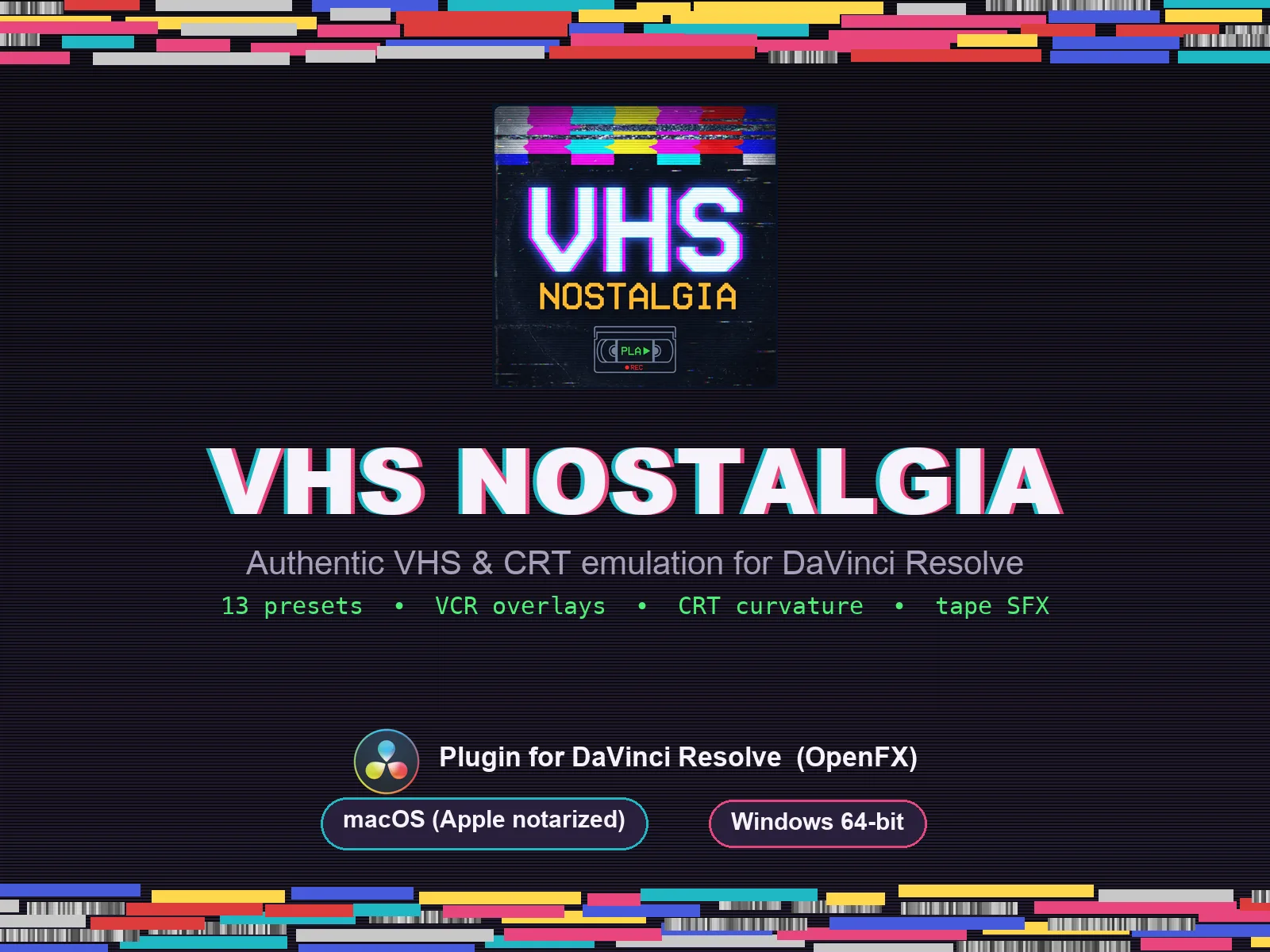
VHS Nostalgia
Real VHS & CRT emulation for DaVinci Resolve
View plugin — €39.00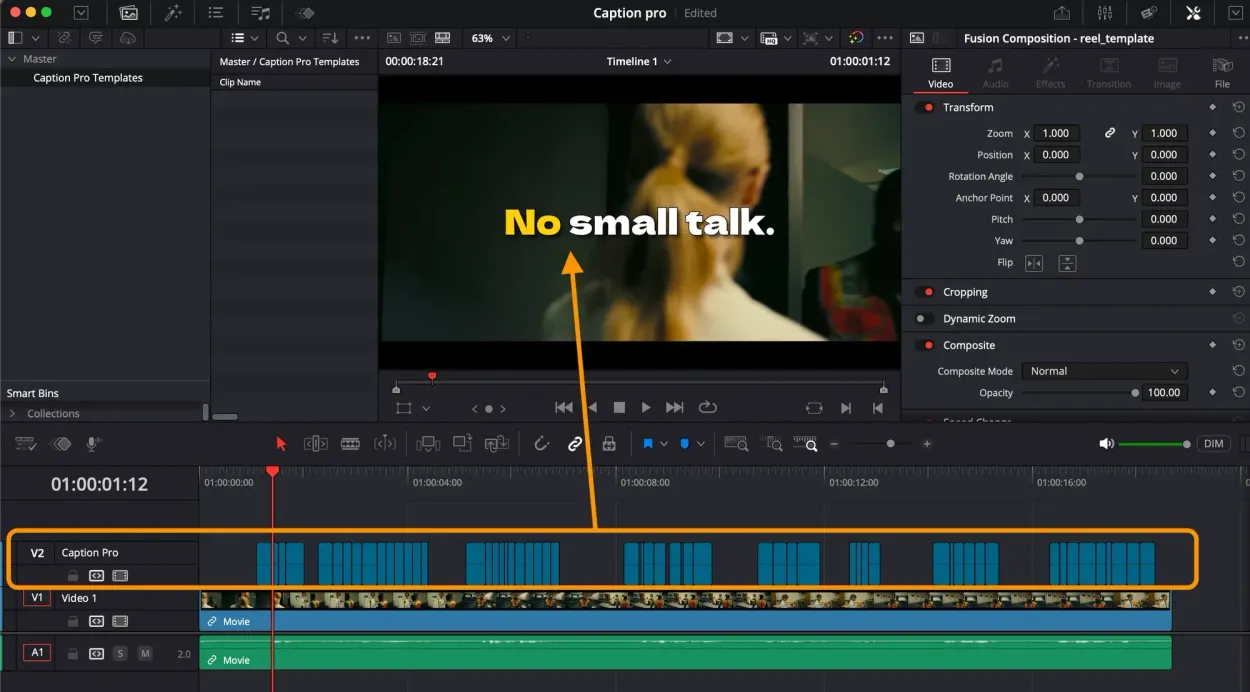
Caption Pro
Automatic word-by-word captions and translation for DaVinci Resolve
View plugin — €29.00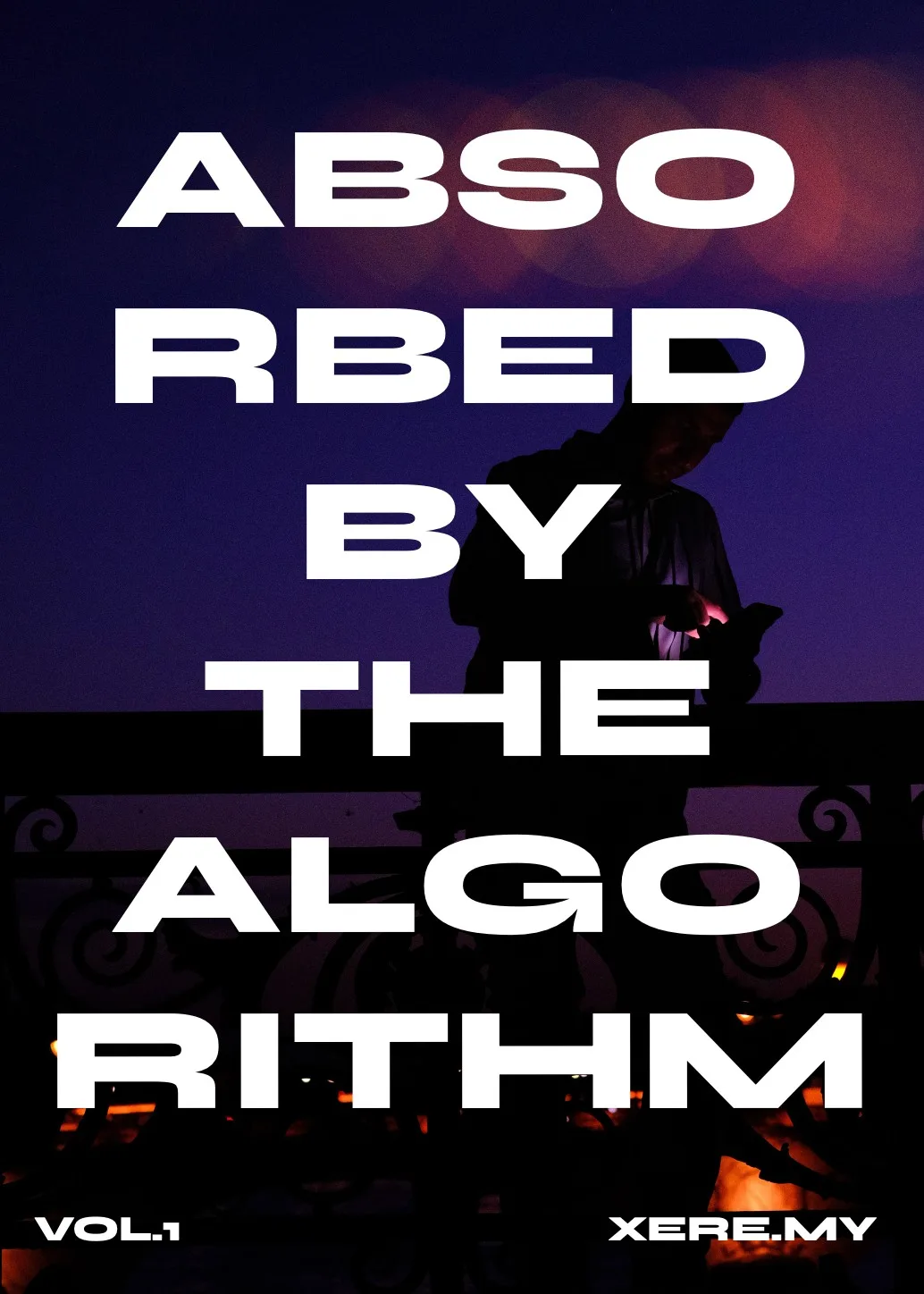
Get the zine
"Absorbed by the algorithm Vol. 1": 33 images shot in Paris, 28 pages, shipped worldwide.