Two weeks in Sicily without a car: Palermo, Catania and Syracuse
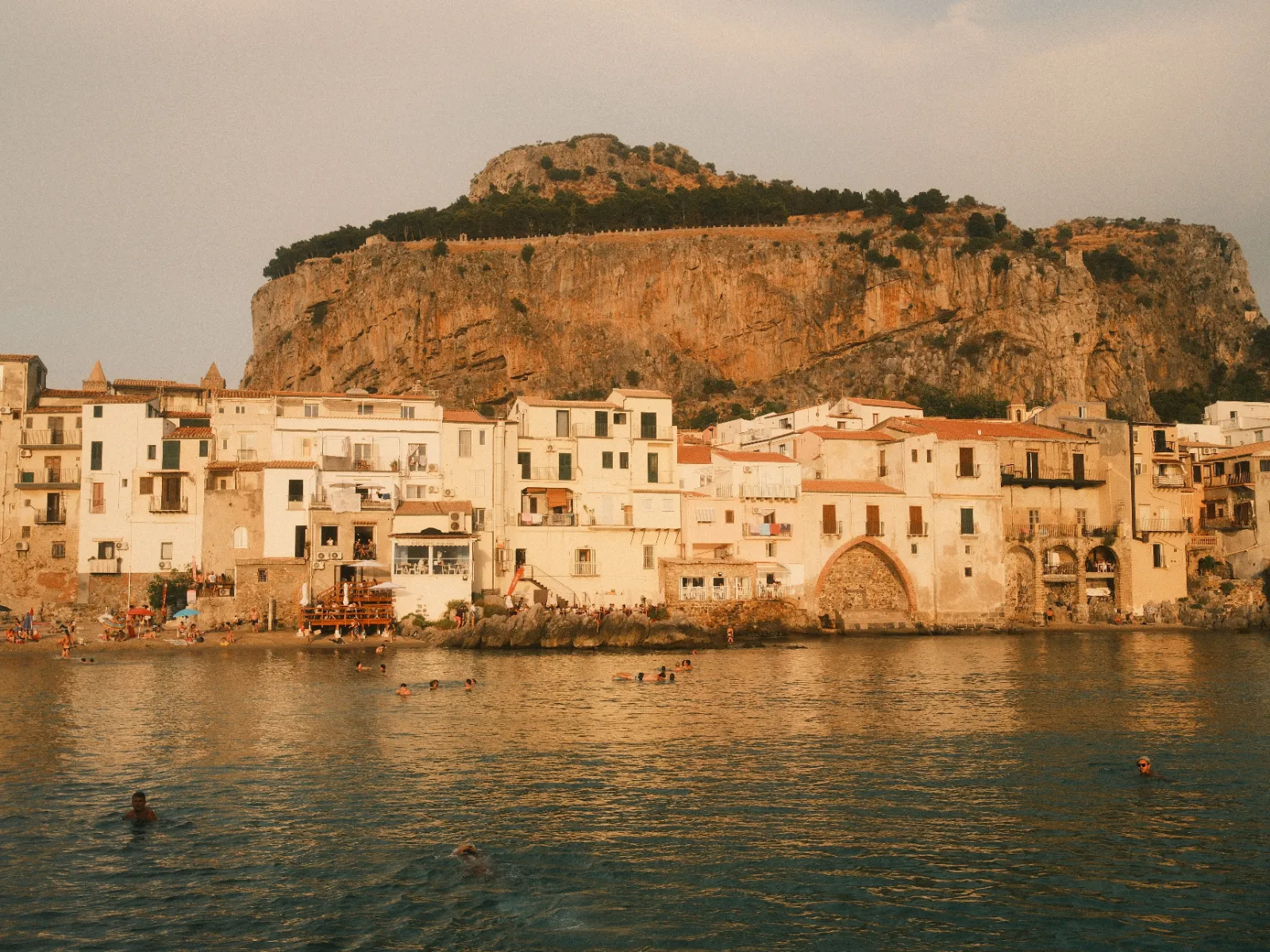
Three bases, two bus rides between them, and everything else done on foot, by train or by local bus. That was the whole plan for two weeks in Sicily, and I never rented a car.
The east and north coasts have enough rail and coach service that a car is optional if you stay in cities and let the day trips come to you. Palermo first, then Catania, then Syracuse. Four days in each of the first two, the rest in the third, and one train or bus out of the city whenever I wanted water.
Everything below is what I actually did in July, with the Fujifilm X-E5 and the XF 23mm f/2.8 (and sometimes the 35mm f/1.4). It compresses to ten days without losing much, and I've put the shorter version at the end.
| Base | Nights | Day trips from there | Getting to the next base |
|---|---|---|---|
| Palermo | 4 | Cefalù (1h train), Isola delle Femmine (40min train) | Bus to Catania, about 2h30, around €14 |
| Catania | 4 to 5 | Taormina and Isola Bella (1h bus), Aci Trezza and Aci Castello | Bus to Syracuse, about 1h15, around €7 |
| Syracuse | 4 to 5 | Neapolis park, Ortigia on foot, Cala Rossa | Catania airport by direct bus, about 1h20 |
Why three bases and not seven
The temptation with Sicily is to keep moving. Agrigento, Noto, Modica, Ragusa, Trapani, San Vito Lo Capo, all of it is on the list and all of it is real. Without a car, chasing that list means half your days start with luggage and a timetable.
Three bases fixes that. You unpack once every four or five days, you learn where the good coffee is, and the travelling happens with an empty bag on a morning train instead of with a suitcase at eight o'clock. The trade is that you skip the interior and the south coast. I'd rather skip them than see them from a bus window.
Palermo, four days
Palermo in July splits the day in two. You get the streets from seven to eleven in the morning, you give the middle of the day back to the city, and you get it again from six until the light goes. Fighting that just means sweating in an empty street with nothing to look at.
The monuments are the easy part. The cathedral is Norman, Arab, Gothic and Baroque stacked on top of each other over eight centuries, none of it matching, and it reads differently in morning shade than it does at seven in the evening when the whole front turns orange. The Palazzo dei Normanni is the practical answer to two in the afternoon: thick walls, cold rooms, and the Cappella Palatina covered floor to ceiling in Byzantine mosaic. Go early in the afternoon, because the queue grows and it closes earlier than you expect.
The rest of Palermo is the alleys between the monuments. Turn off Via Maqueda and thirty seconds later you're in a lane two metres wide with laundry overhead and a scooter parked against a doorway. Late in the day the sun bounces off the stone instead of flattening it, and you get long shadows on ochre walls with enough reflected light to keep the detail on the dark side.
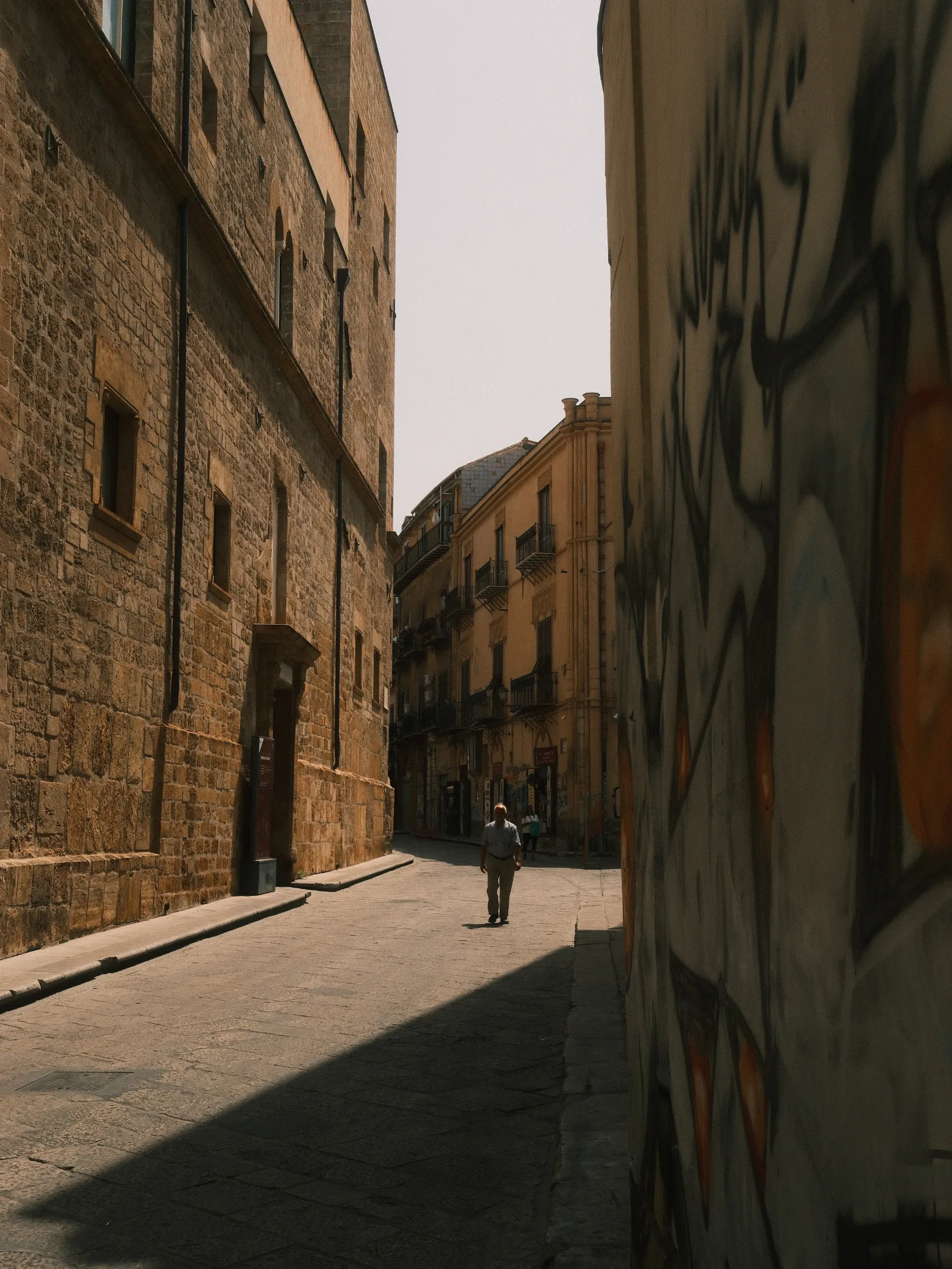
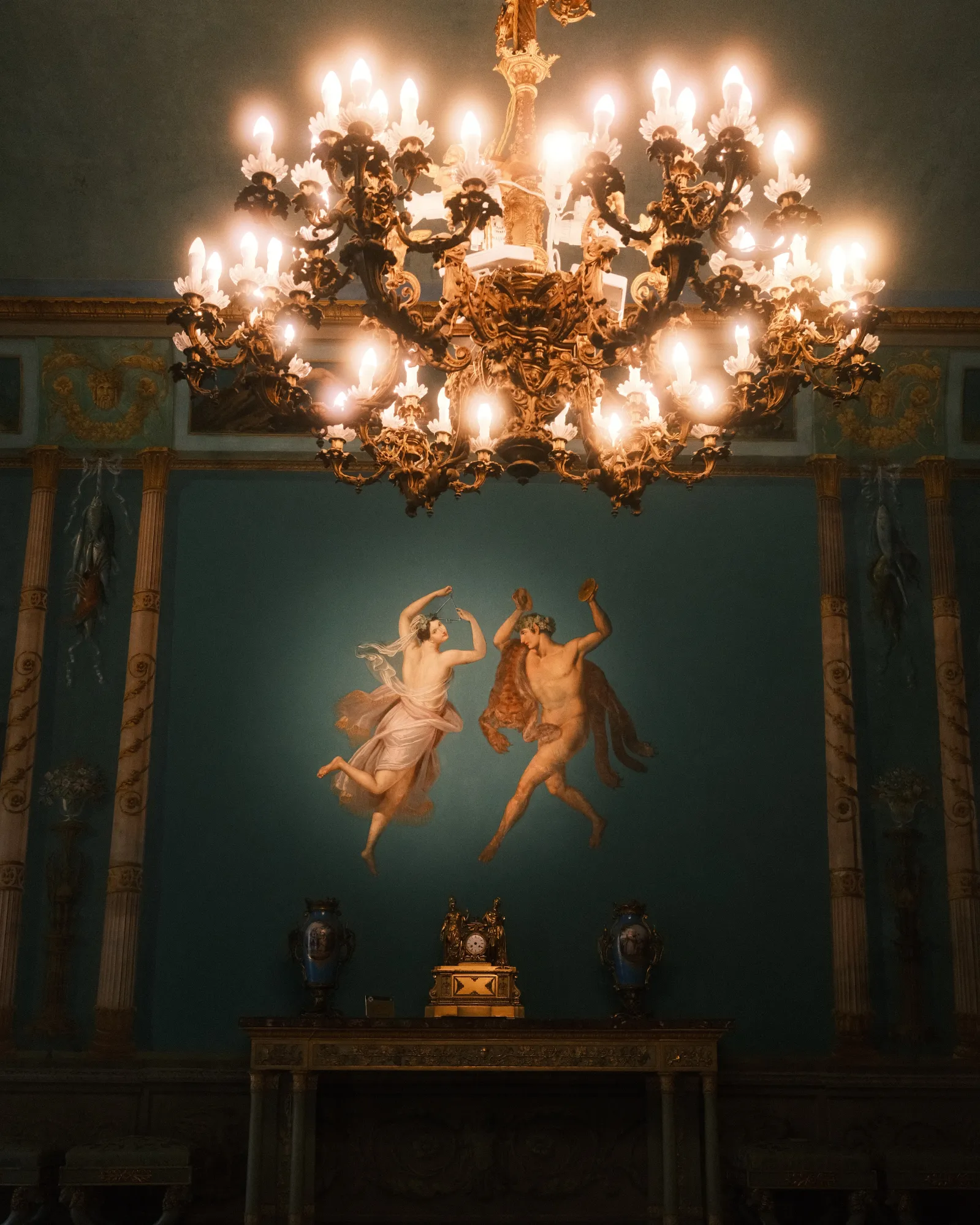
Two things I'd repeat. Breakfast at Bar Timi on Piazza della Rivoluzione, slightly off the main tourist current, where a lot of the food comes from the owners' farm in the south of the island. And spaghetti with pistachio cream from a street stand, eaten standing up out of a paper tray, which was the best thing I ate in the city and cost almost nothing.
The full version of those four days is in four days in Palermo.
The two beaches you can reach by train
Palermo has no beach of its own, so at some point you take the train out. Two directions, both easy.
West, towards the airport, Isola delle Femmine is about 40 minutes from Palermo Centrale. The ticket was 3,30 euros, 6,60 return. From the station you walk down through the village and you're in the water in five to ten minutes, looking straight out at the small island the place is named after. Mondello is closer and more famous but needs a bus, and San Vito Lo Capo is two hours away.
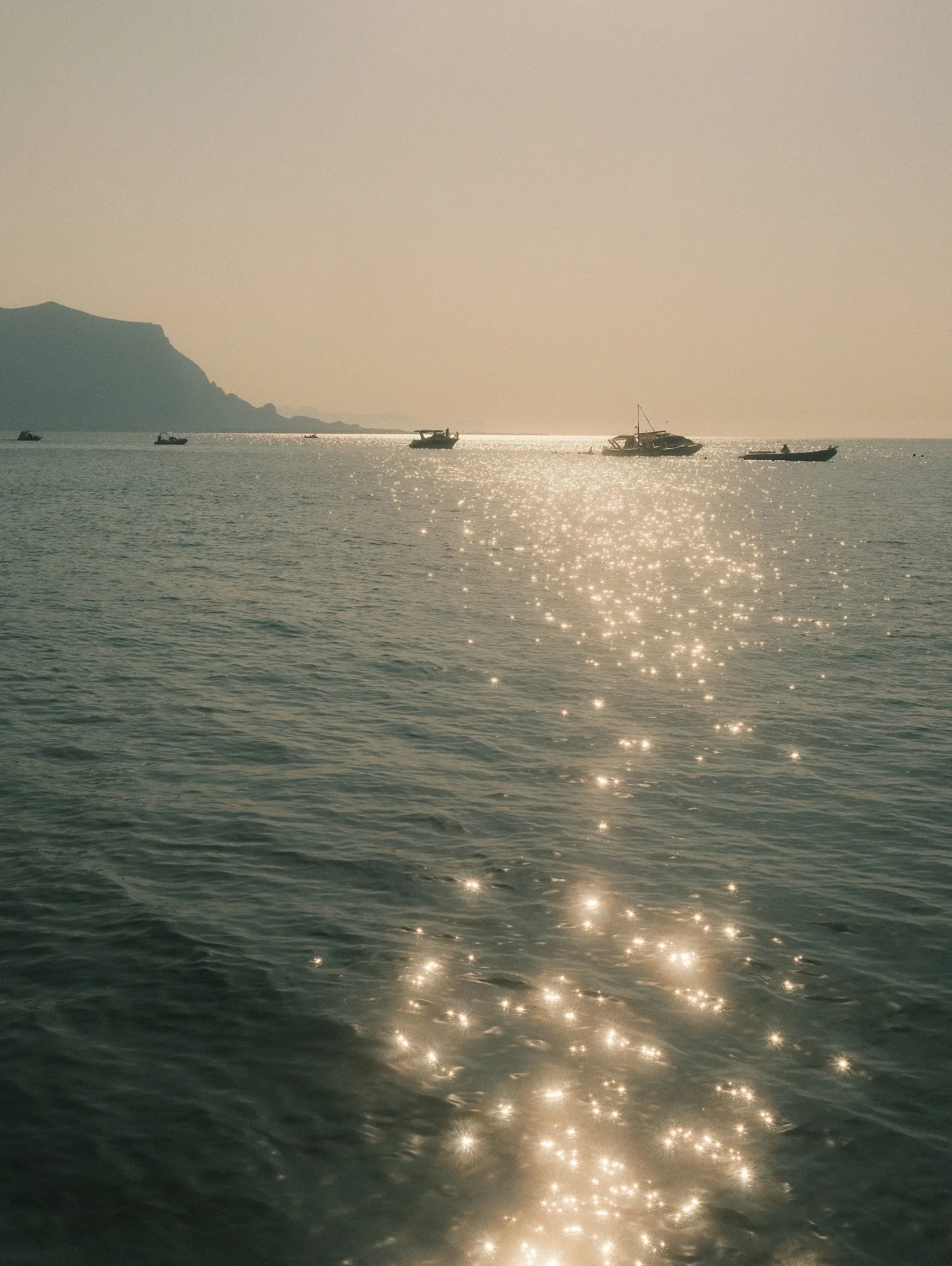
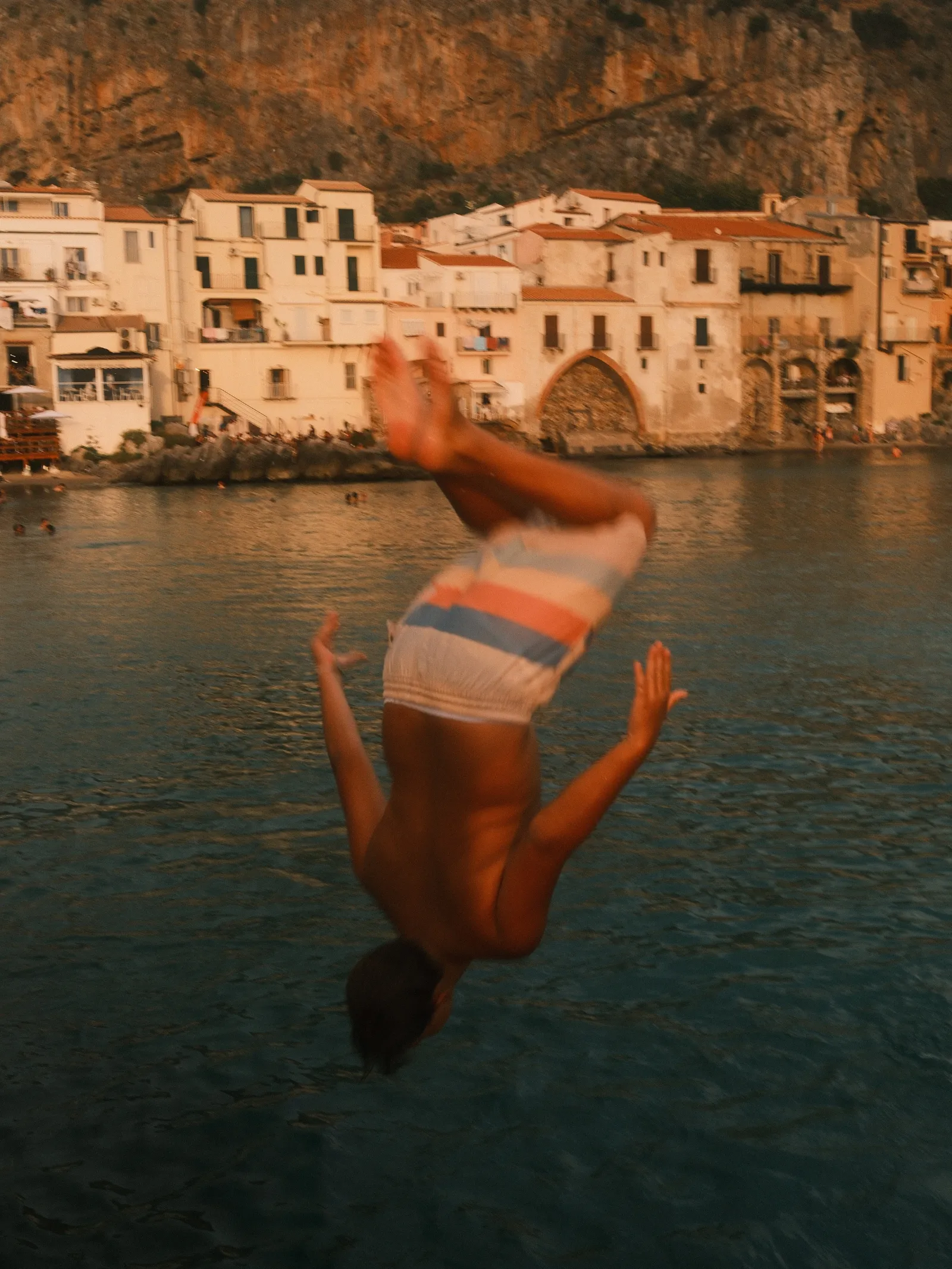
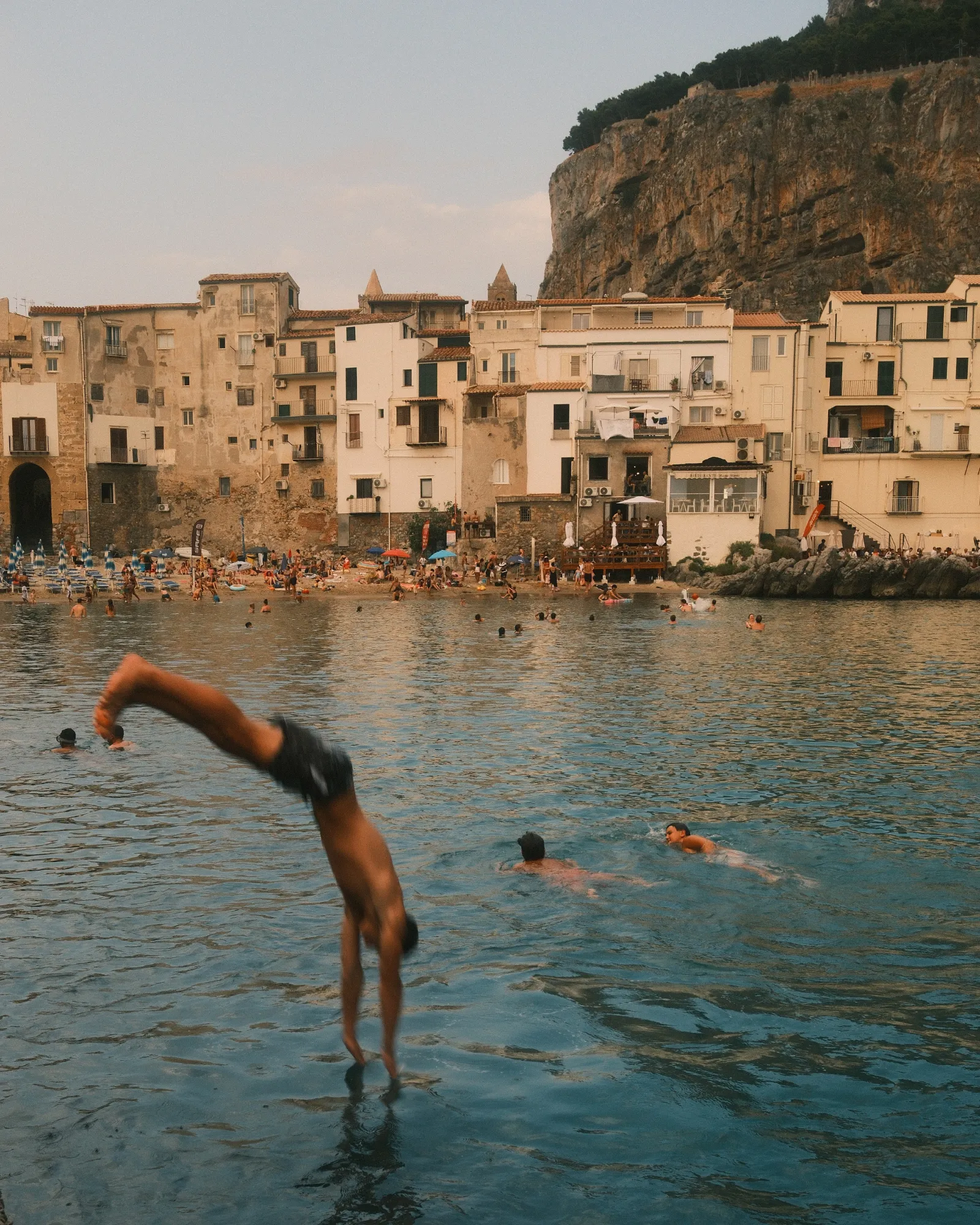
East, along the north coast, Cefalù is one hour from Palermo Centrale on a regional train, roughly one an hour. The station is a ten minute walk downhill from the old town. Most people go in the morning; I went at the end of the afternoon on purpose and got the light instead of the flat midday sun. The jetty by the old town is where kids and teenagers spend the whole evening jumping into the water, backflips and running dives on repeat, and the low sun comes across the water behind them. That half day has its own post.
Palermo to Catania by bus
Take the bus, not the train. SAIS runs the route across the middle of the island in about two and a half hours for around 14 euros, several times a day, and it drops you next to Catania's central station. The train goes the long way round and takes considerably longer for no advantage.
Book the seat the day before in high season, or buy at the counter in the morning if you're flexible about which departure you take.
Catania, four days
Catania is built out of black lava stone and pale limestone, and in July the contrast between the two is the whole visual character of the place. Everything in the centre starts at Piazza del Duomo: the Cattedrale di Sant'Agata on one side, the Fontana dell'Elefante in the middle, a black lava elephant carrying an obelisk that the city has used as its symbol for centuries.
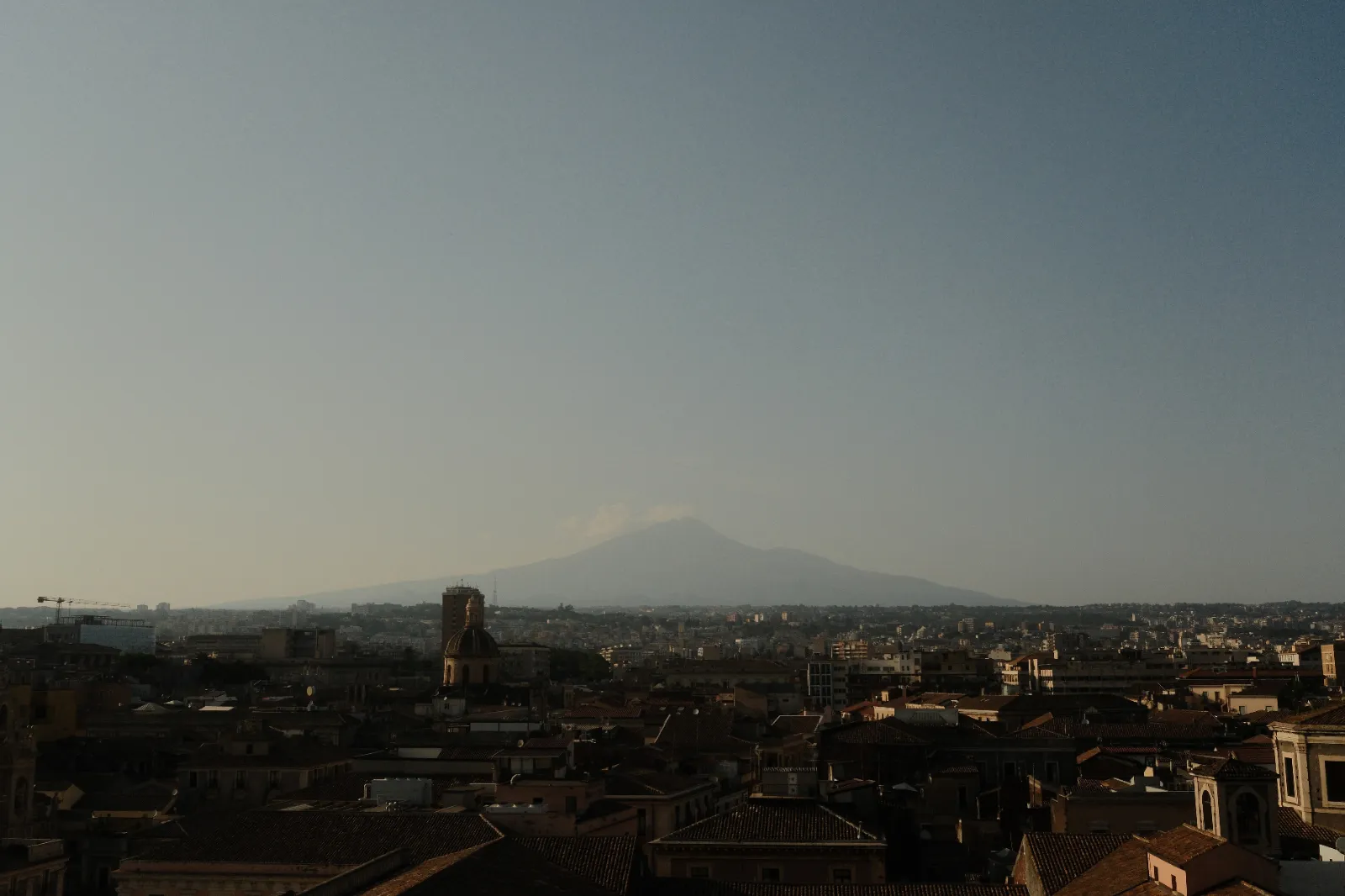
The one thing I'd tell anyone to do here is climb the Chiesa della Badia di Sant'Agata on the same square. Seven euros, about ten minutes of stairs, and you come out on the roofs with the city laid out in terracotta and grey, the cathedral seen from above and Etna behind all of it. There's no shade up there, so go in the morning or late in the afternoon.
The markets are the other half of the city. They run through the old centre, loud and tight and completely uninterested in you, and what they do to the architecture is the interesting part: baroque facades and heavy stone doorways with awnings, crates, plastic sheeting and hand painted signs stacked against them.
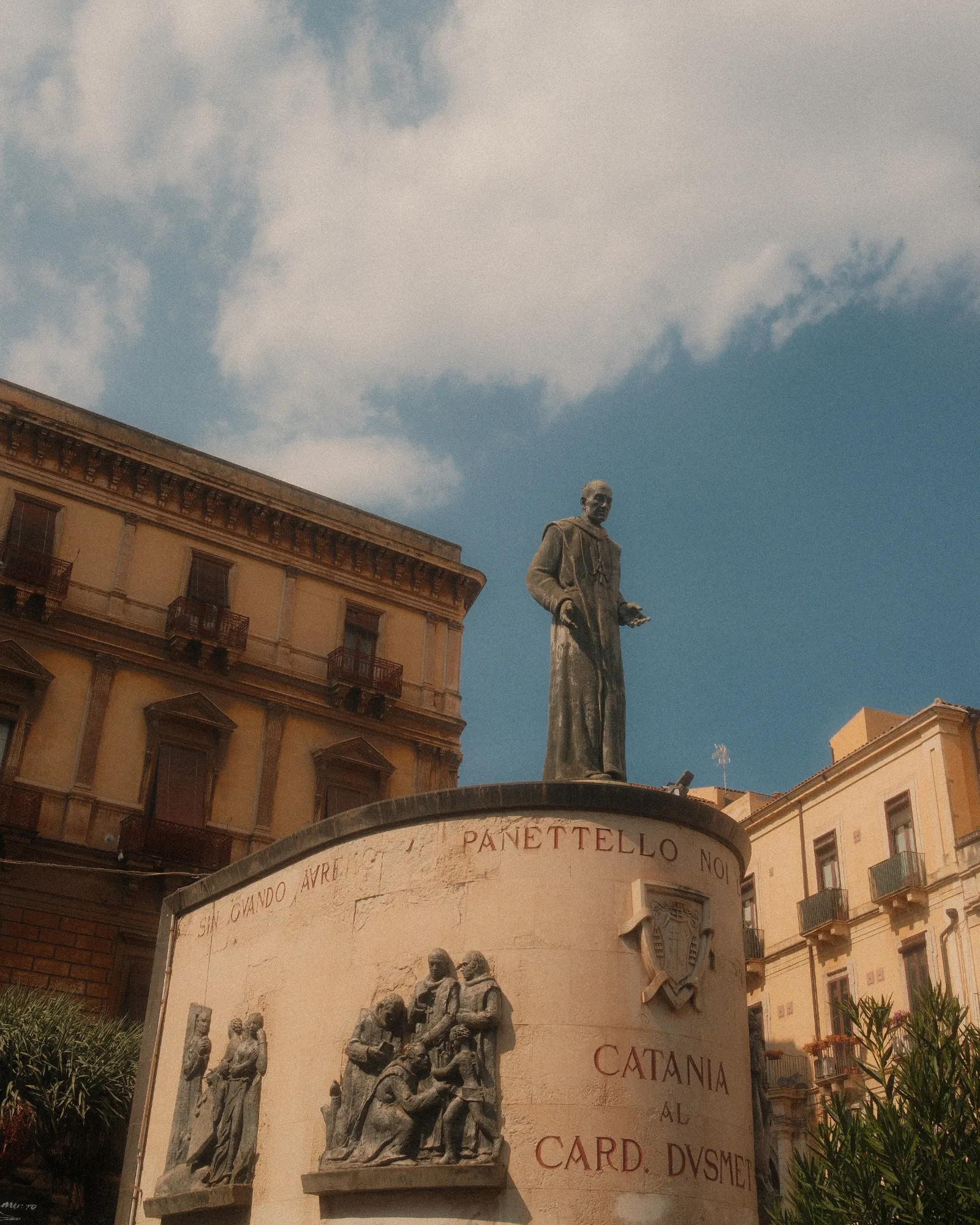
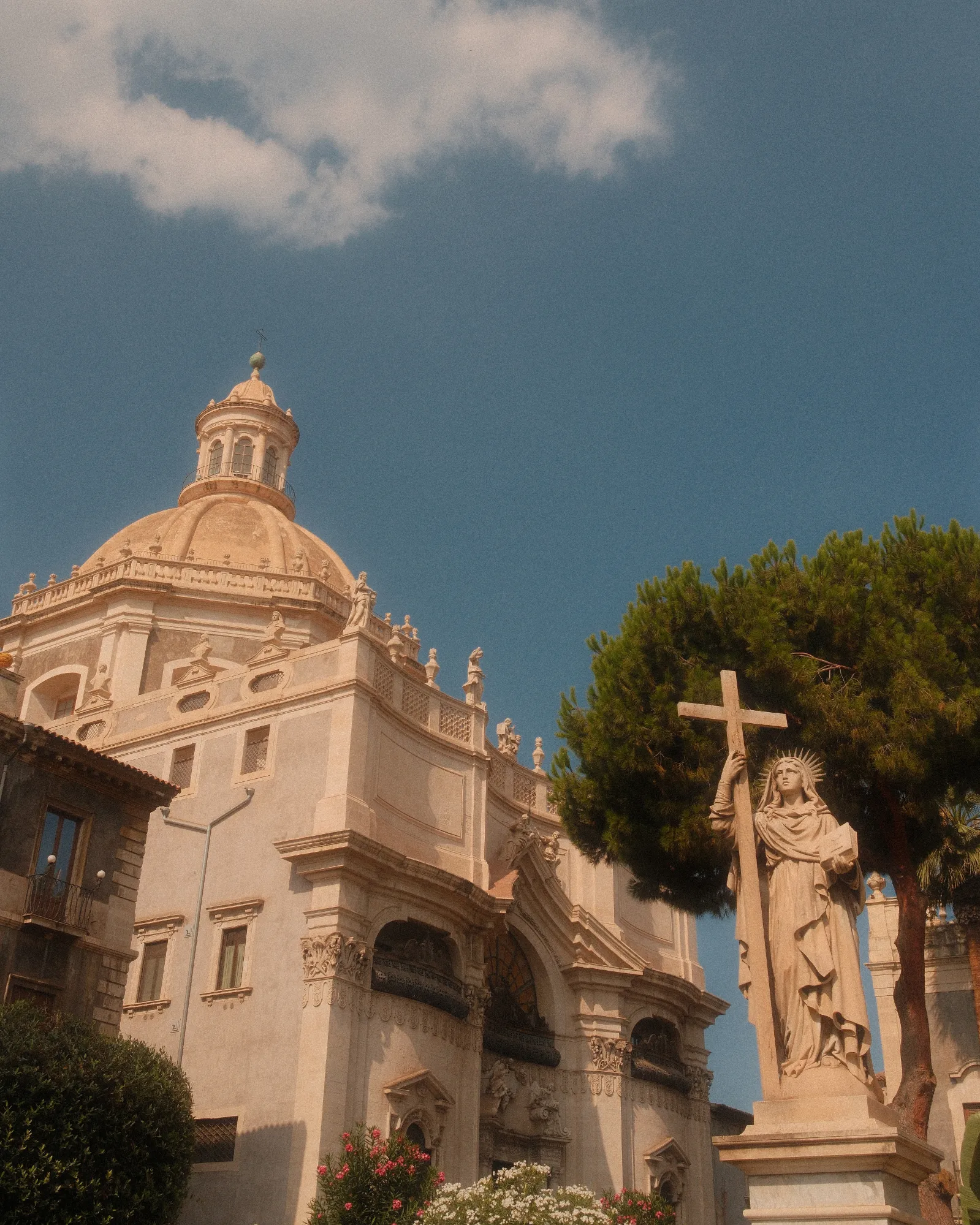
Four days suited it. Enough to stop reading the map, and I was ready to leave the heat behind by the end. The longer version, with the film recipe I used the whole time, is in four days in Catania.
Swimming near Catania
Be realistic about the city beach. It's the beach of a large city, part of the sand is privatised so the free public section is small, it sits near a waste area, and the walk out is not pretty. It cools you off after a stifling day in the centre and that's the job it does.
For something better without going far, San Giovanni Li Cuti is a small strip of black sand and lava platforms about 1.5 km from the centre, reachable on foot or by city bus. North of that, Aci Castello and Aci Trezza sit on the Cyclops Riviera, rocky and dramatic, about 10 km up the coast and reachable by AST bus or by train for a couple of euros. The proper beach day, though, is the day trip.
Taormina and Isola Bella, one day
One hour from Catania, and this is the day I'd protect on the calendar.
Take the bus, not the train. The bus leaves from the central bus station next to Catania's main train station and drops you at the terminal in Taormina, up at the top, a few minutes from the old town. The train station is Taormina-Giardini, down at sea level well below the town, so you land with a transfer or a long steep walk you don't need.
Taormina is built on a shelf halfway up the hill. The streets are flat but everything around them drops away, so as you walk down Corso Umberto a gap opens every so often and the whole bay is laid out underneath: the beach, the water, the coast running south toward Catania. Two streets off the Corso the crowds thin out and the lanes go up or down, never flat.
Then Isola Bella, the cove below the town, with a small island just offshore linked to the beach by a strip of pebbles when the water is low. It's pebbles everywhere, no sand. Bring water shoes, five euros of plastic that makes the difference between a swim and ten minutes of hopping on one foot.
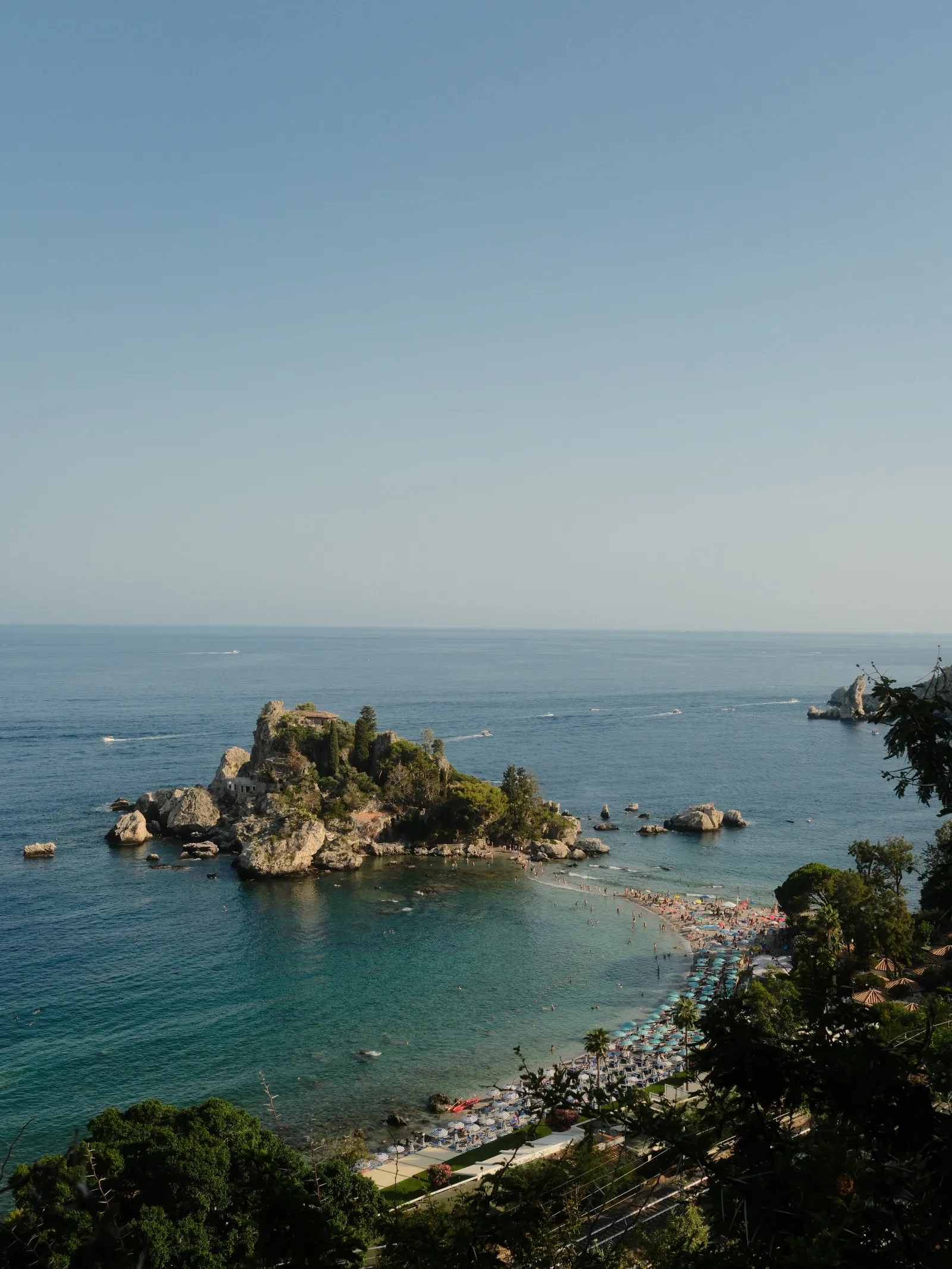
The thing worth planning is the split between the top and the bottom. The sun sets behind Taormina on the land side, so the town keeps its light until late while the cove tips into shade progressively through the late afternoon. Give Isola Bella the hours you actually want in the sun, and keep the town for the rest of the day. Full write-up in a day trip to Taormina.
Catania to Syracuse
The shortest leg of the trip. Interbus runs coaches from Catania's central bus station to Syracuse roughly every hour, around an hour and fifteen minutes, six or seven euros. The train works too and costs about the same, but the coach runs more often and drops you closer to the bridge onto Ortigia.
There's also a direct bus between Syracuse and Catania airport, about an hour and twenty, which makes Syracuse a sensible last stop before flying home.
Syracuse, four to five days
This was the part of the trip I got most wrong on paper and most right in practice. I gave Syracuse the leftover days and it turned into the place I'd have stayed longest.
Almost everything you want is on Ortigia, the small island joined to the mainland by two short bridges. It's about a kilometre long, you can cross it in fifteen minutes, and it holds the old town, the cathedral, the market, the seafront and the swimming.
Ortigia on foot
The Temple of Apollo is the first thing you meet after the bridge, sitting in a sunken enclosure at street level. Early sixth century BC, the oldest Doric temple in Sicily, and what's left is a platform and a few columns in the middle of a working town, which is a strange and good way to start a walk.
Piazza del Duomo is the centre of everything. The cathedral is a fifth century BC Greek temple to Athena that was never demolished, just filled in and built around: the Doric columns are still there in the outside wall and inside the nave, with a Baroque facade bolted onto the front after the 1693 earthquake. Sit on the square in the evening when the limestone has gone warm and the whole thing is lit.
At the far end of the same square, the church of Santa Lucia alla Badia holds Caravaggio's Burial of Saint Lucy, painted in Syracuse in 1608 for a different church across the water. Free to enter, limited hours, and worth timing your walk around.
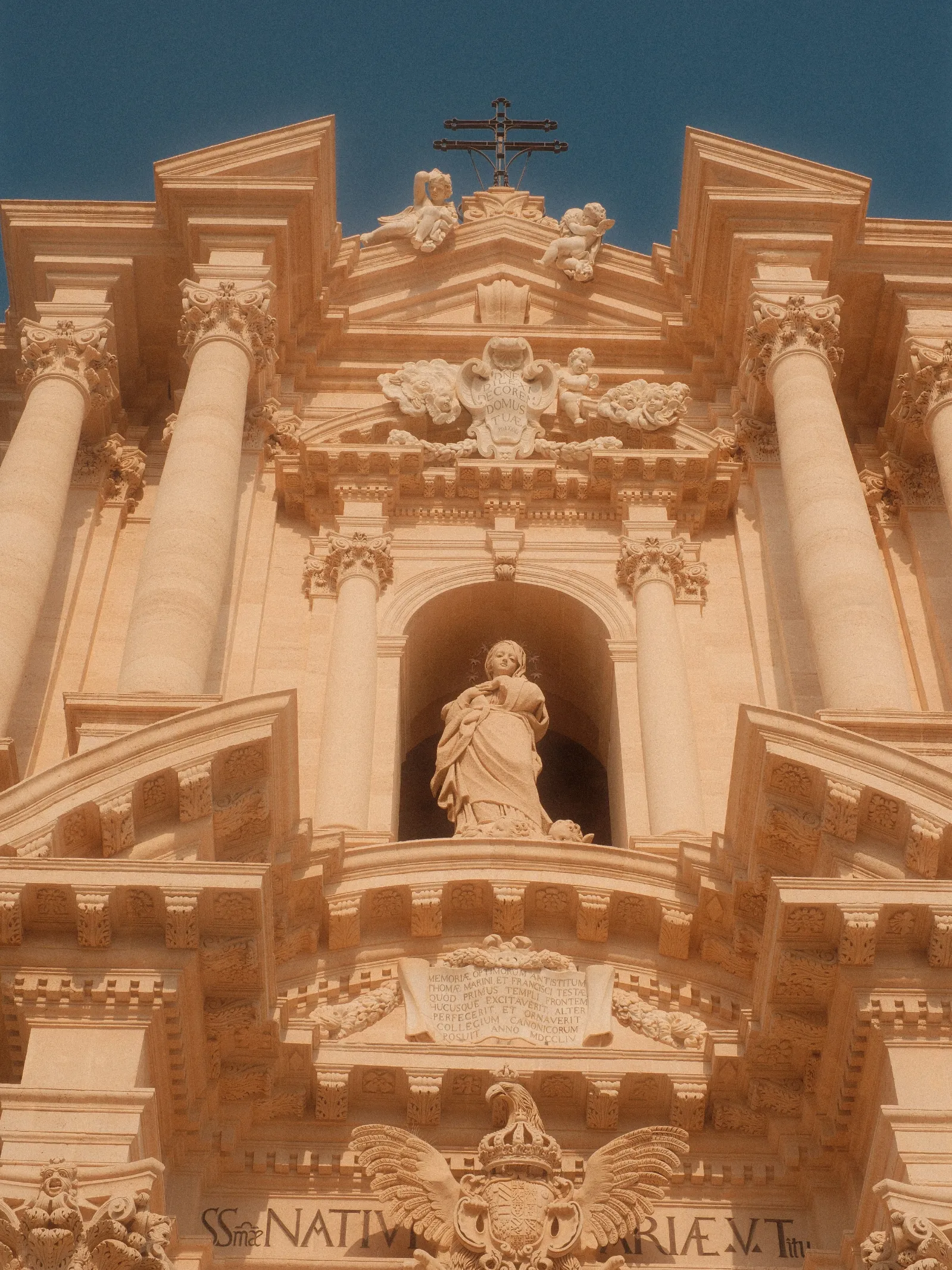
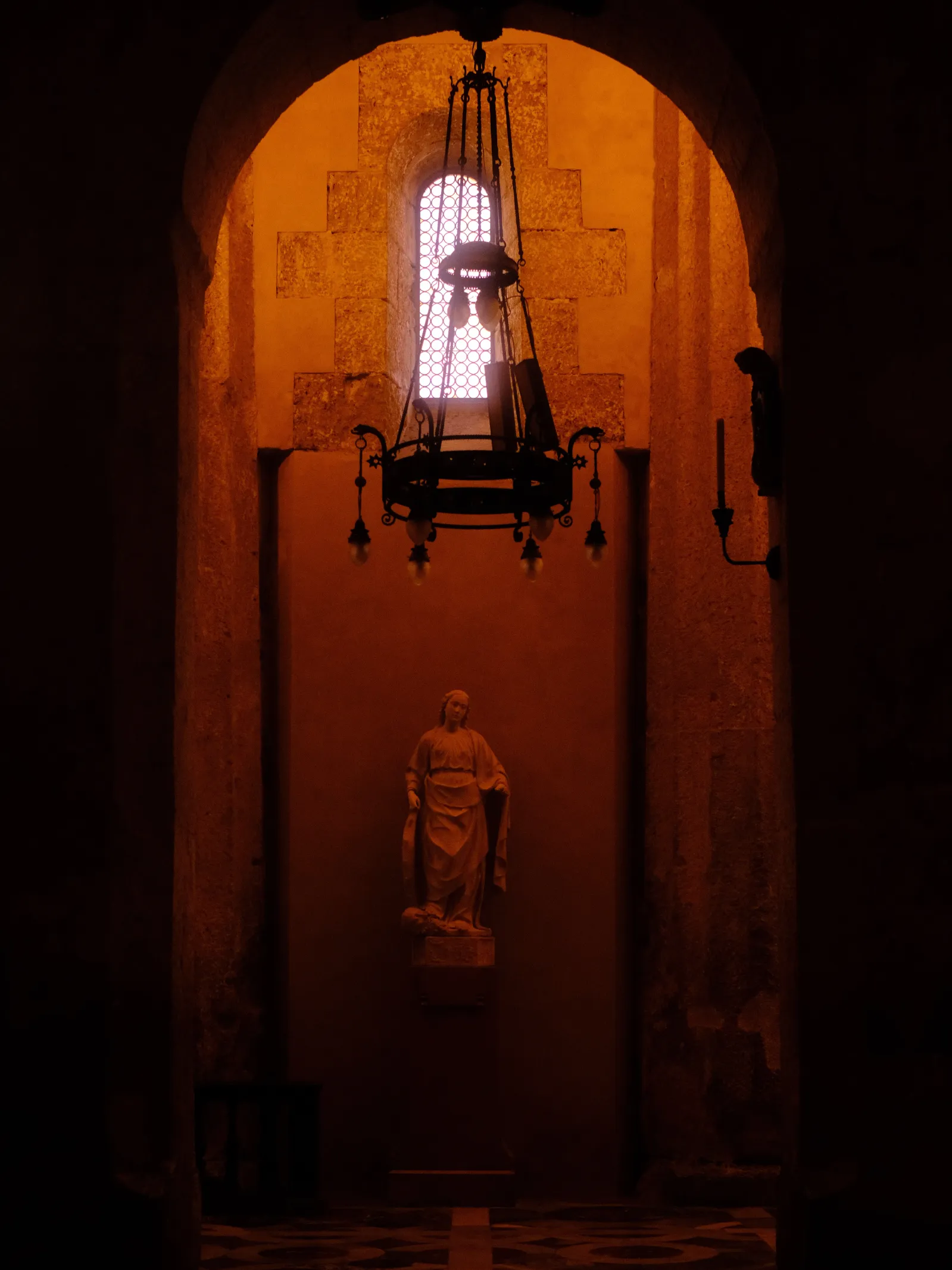
Fonte Aretusa is a freshwater spring a few metres from the sea on the western seafront, now a papyrus pond with ducks in it and a Greek myth attached. The papyrus grows there naturally, which it does almost nowhere else in Europe. The walk along the Lungomare Alfeo from the spring is the best evening walk on the island.
At the southern tip, Castello Maniace is a thirteenth century Swabian fortress guarding the harbour entrance, with the sea on three sides.
And the Ortigia market, in the streets behind the Temple of Apollo, runs mornings from Monday to Saturday and shuts around lunchtime. Fish, tomatoes, capers, cheese, and the sandwich counters that have made themselves famous. Go before ten.
The archaeological park
The other half of ancient Syracuse is on the mainland, twenty minutes' walk from the bridge, in the Parco Archeologico della Neapolis. The Greek theatre is cut straight into the rock and still hosts classical plays in early summer. The Ear of Dionysius is a 23 metre limestone cave with acoustics that carry a whisper, and there's a Roman amphitheatre and a set of old quarries in the same enclosure.
The ticket was in the 13 to 17 euro range depending on the exhibition running, free for under 18s and on the first Sunday of the month. It opens at 8:30 and there is very little shade in there. Go at opening or don't go in July.
Cala Rossa
My beach for the whole stay. Cala Rossa is on Ortigia itself, at the end of Via Roma where it meets the Lungomare d'Ortigia, down a set of stairs from the road.
It's tiny. A pocket of pebbles between rocks, and at high tide most of it disappears. In practice you always find a spot, and it's the one place I went every single day. Locals and tourists in equal number, no entrance fee, showers on site, and the water is the reason: clear, shallow over the rocks near the shore, then dropping off quickly a few metres out. There are rocks and stones underfoot going in, which sounds worse than it is. Water shoes again, or ten seconds of concentration.
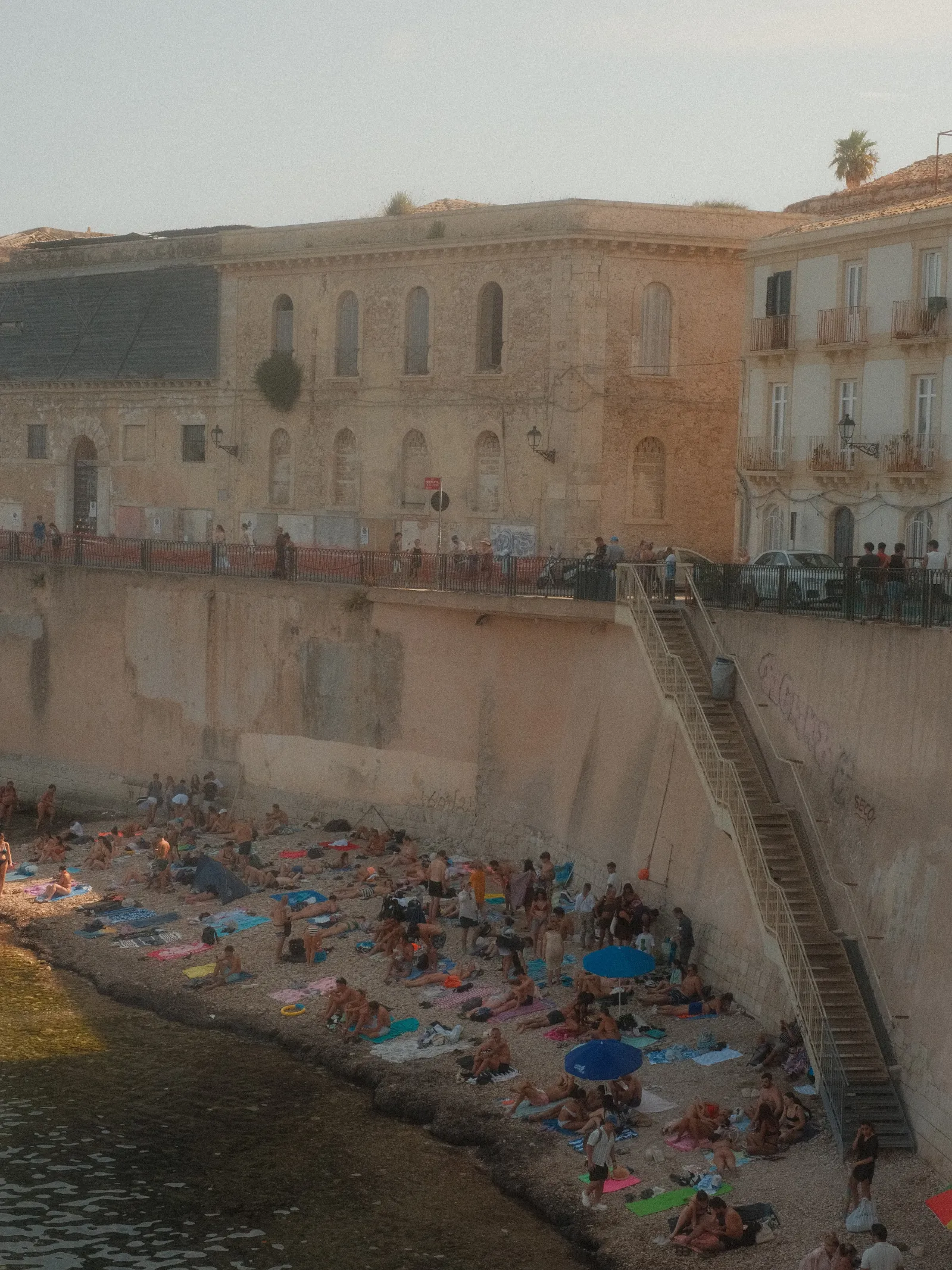
Because it's inside the old town, you can swim, walk back up the stairs, and be sitting in front of a coffee five minutes later. That combination is what made me keep coming back.
If you want a wider beach, Fontane Bianche and the Plemmirio reserve are both a local bus ride south of the city. I never bothered.
Evenings
Syracuse in the evening is the reason to give it more than a day trip. The day-trippers leave, the temperature drops, and Ortigia becomes a small town again. Coffee at a table on a square, gelato at least once a day, pizza, and pasta that was consistently better than what I ate further north.
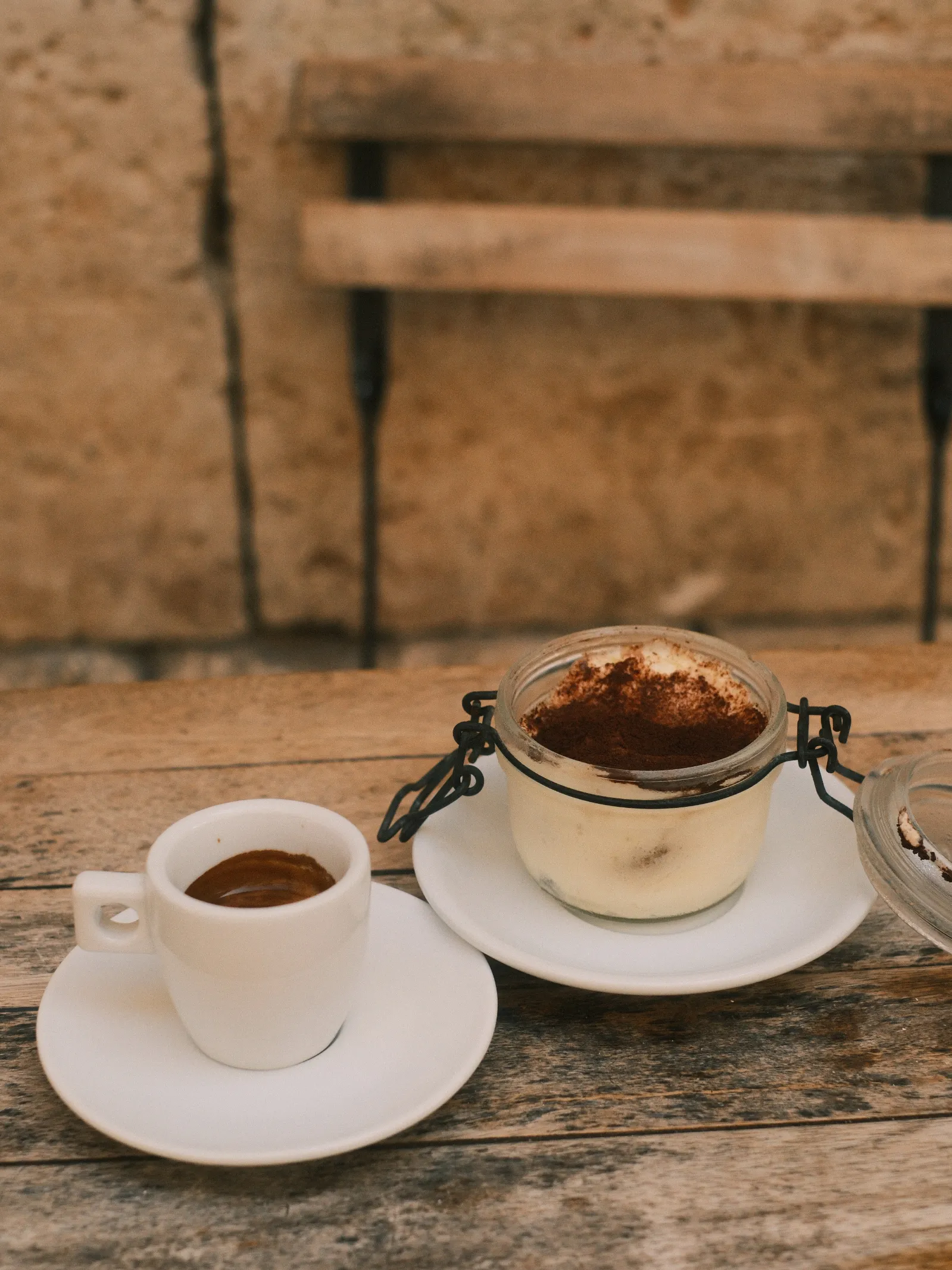
There's nothing to organise. That's the point of putting Syracuse last.
The same trip in ten days
Cut a day off each base and drop nothing else. Three or four days in Palermo with Cefalù as a half day, three or four in Catania with Taormina as a full day, three in Syracuse. It works, and it keeps the two long transfers down to two.
| Days | Where | What fits |
|---|---|---|
| 1 to 4 | Palermo | City on foot, plus Cefalù in the late afternoon and a morning at Isola delle Femmine |
| 4 | Bus to Catania | Leave in the morning, afternoon in Catania |
| 5 to 7 | Catania | Piazza del Duomo, the Badia roof, the markets, one full day in Taormina and Isola Bella |
| 8 | Bus to Syracuse | One hour, arrive for lunch |
| 8 to 10 | Syracuse | Ortigia, the Neapolis park, Cala Rossa every afternoon |
The first thing I'd cut is a Catania day rather than a Syracuse one. The last thing I'd cut is the Taormina day trip.
A few practical notes
Buy long distance coach tickets online or at the counter rather than assuming you can pay on board. Regional train tickets need validating before you get on. Carry cash for market stalls and small bars.
July heat is the real constraint on the itinerary, not distance. Every day in this plan is built the same way: outside early, indoors or in the water in the middle of the day, outside again from six. Museums and churches are as much shade strategy as sightseeing.
On the camera side, I shot the whole trip as SOOC JPEG with three recipes: Last Summer Roll in Palermo and Cefalù, Summer Chrome in Catania, Essenza in Taormina. Settings for all three are in the best 3 Fujifilm recipes for Sicily.
Help me keep writing
If these articles are useful to you, have a look at what I make.

Creator Pro
The ultimate DaVinci Resolve workspace for creators
View plugin — €29.00
VHS Nostalgia
Real VHS & CRT emulation for DaVinci Resolve
View plugin — €49.00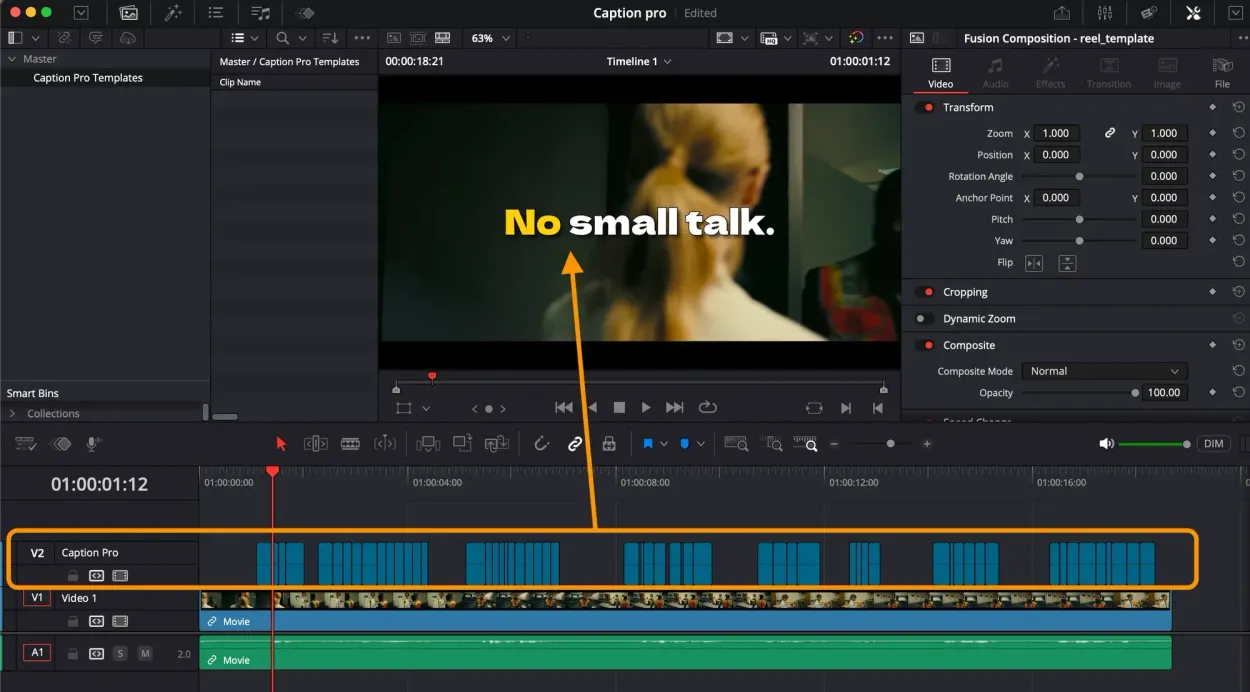
Caption Pro
Automatic word-by-word captions and translation for DaVinci Resolve
View plugin — €49.00
Get the zine
"Absorbed by the algorithm Vol. 1": 33 images shot in Paris, 28 pages, shipped worldwide.