Best Black and White Fujifilm Film Recipes
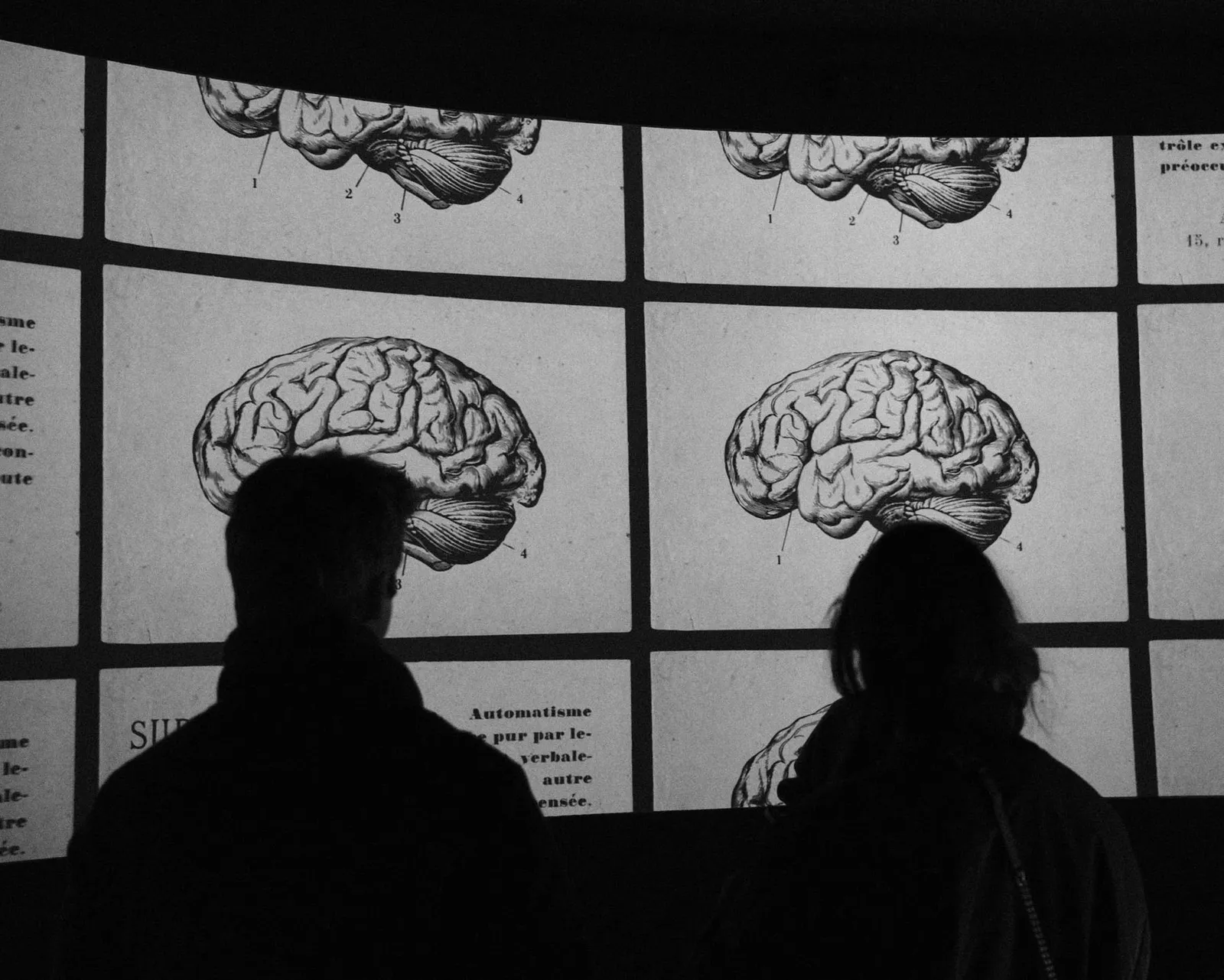
I've been shooting monochrome on Fujifilm for years, and these are the best recipes I tried. Even if I love shooting colors, I keep coming back to ACROS film simulation, on my X-E5, and on every X-Trans body I've owned before it since ACROS was introduced. When you shoot black and white straight out of camera, you stop thinking about color, and you start reading light and shadow differently.
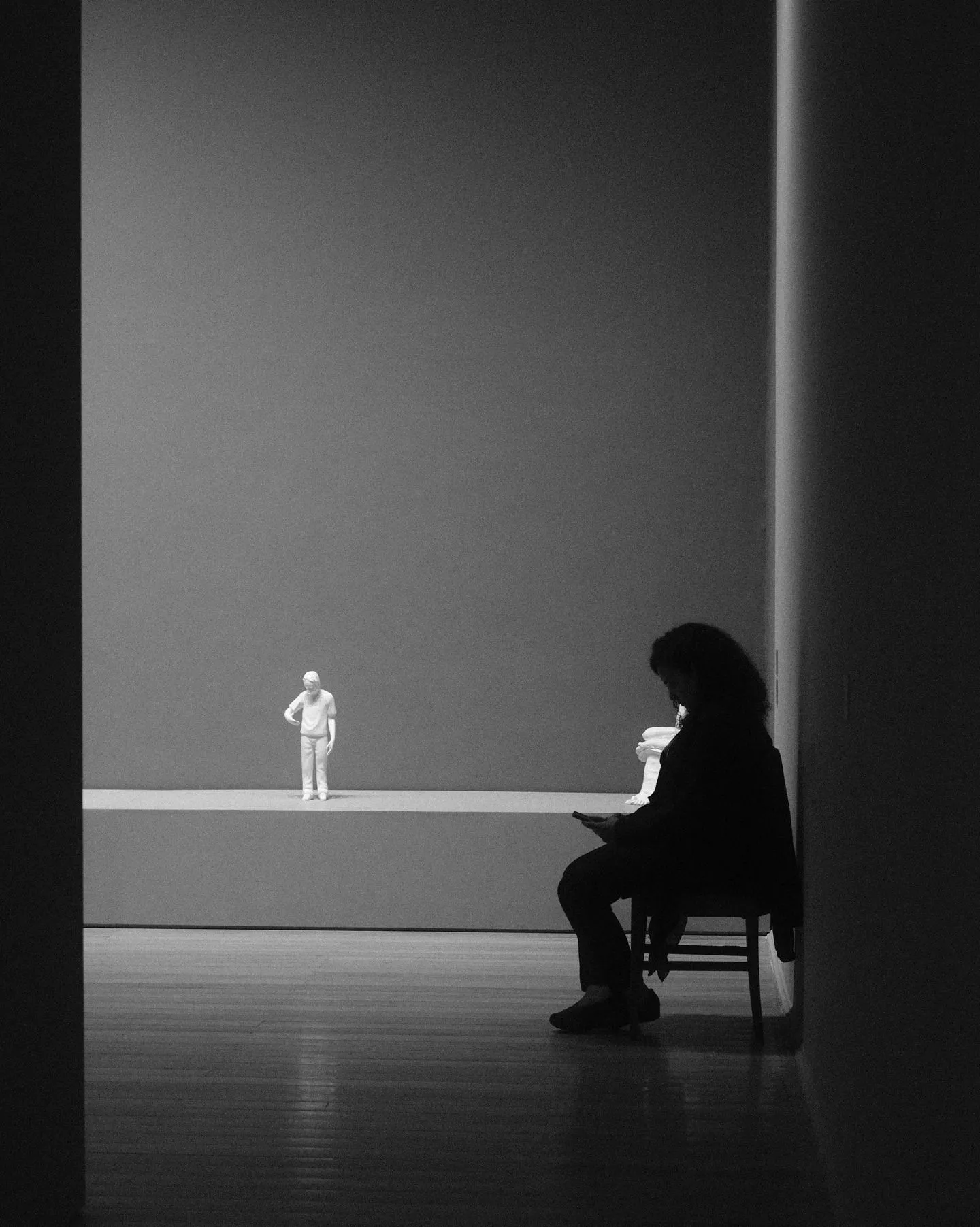
Whether you shoot on an X-E5, X-T5, an X100VI, an X-T4, an X-M5, or an X-S20, all of these recipes work on any Fujifilm camera with ACROS film simulation and Monochrome film simulation. Some come from photographers I follow and respect. All of them produce finished JPEGs with real character, straight out of camera.
Grain Noir: Bold black and white
Grain Noir is my own monochrome recipe, and it's the one I reach for whenever I want black and white images with real character. It goes hard on contrast, texture, and visible grain, so the images come out raw and alive, like they were pulled from a roll of pushed film. The recipe is built on ACROS with the Yellow filter. It's a setting inside Fujifilm's Film Simulation system, layered on top of the ACROS simulation (you can choose between Standard, Yellow, Green, and Red). The idea comes from analog photography, where shooting black and white through a colored filter was standard practice to control contrast and tonal response. The Yellow filter is the subtlest of the four options. It darkens skies, absorbs shorter wavelengths like green, and increases contrast where tones sit close together: flowers against foliage, a face against a shaded wall.
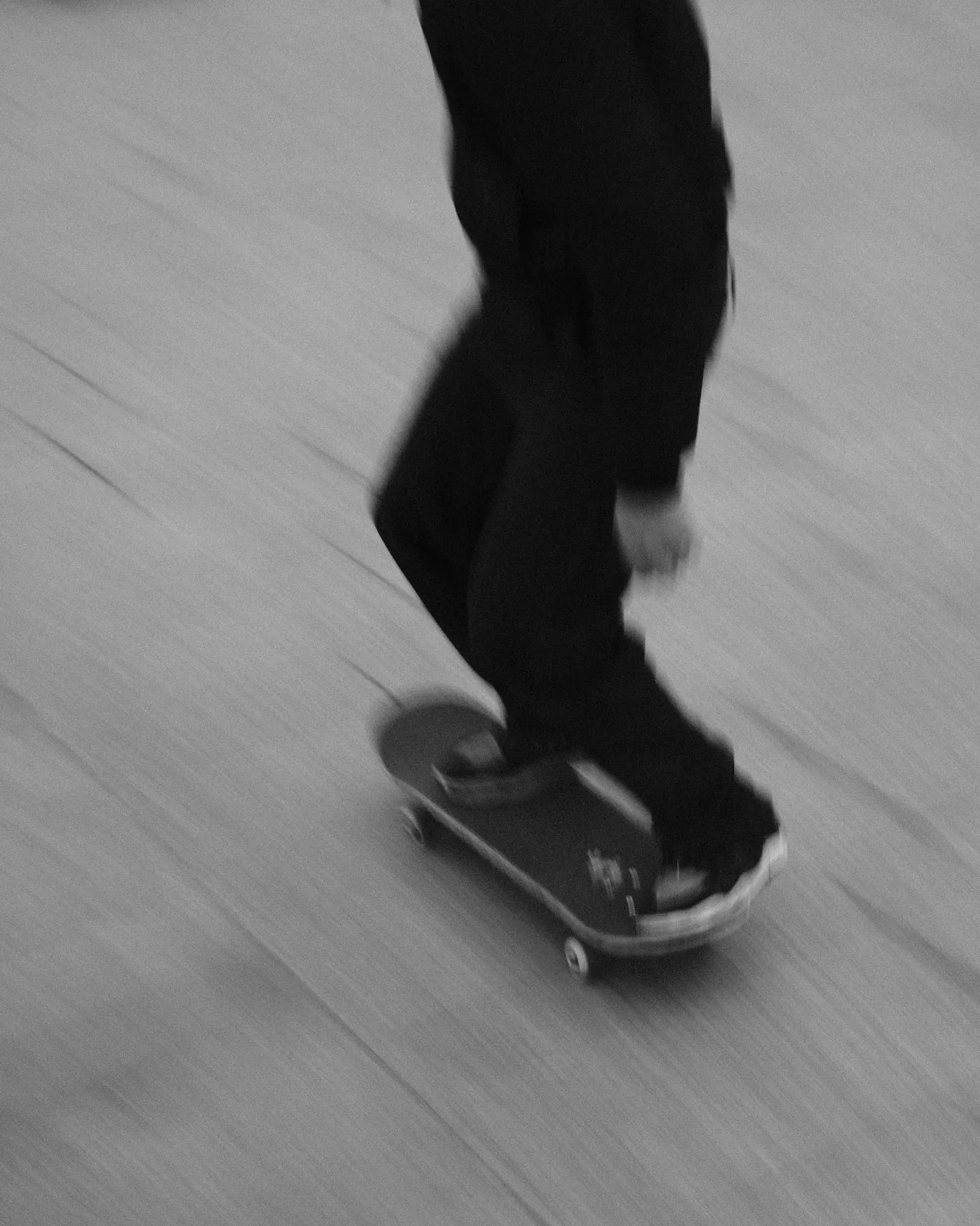
ACROS itself was introduced as a Film Simulation in 2016, modeled after the analog ACROS film known for its grain quality and deep tones. The simulation uses sensor noise to create variations in grain depending on brightness, which adds texture to smooth or gray areas. Paired with the Yellow filter, you get strong blacks, soft grays, and a sense of three-dimensionality that flat monochrome conversions don't produce. The grain is set to Strong / Small on purpose. It adds a fine but pronounced texture that gives every frame an organic, analog quality. If you've ever shot Tri-X or HP5, you'll feel right at home.
| Film Simulation | ACROS + Yellow filter |
|---|---|
| Grain Effect | Strong / Small |
| Color Chrome Effect | Off |
| White Balance | Auto |
| Dynamic Range | DR100 |
| Highlight | +2 |
| Shadow | +2 |
| Sharpness | +1 |
| Noise Reduction | -2 |
| Clarity | 0 |
| Exp. Compensation | 0 |
| ISO | Auto, max 1600 |
When to use it:
Grain Noir thrives in high-contrast situations. Street photography with harsh sunlight, backlit silhouettes, architectural details, dark interiors with a single light source. It also works well in museums, cafes, and anywhere dramatic shadows meet strong shapes. View more photos taken with this recipe in my black and white portfolio.
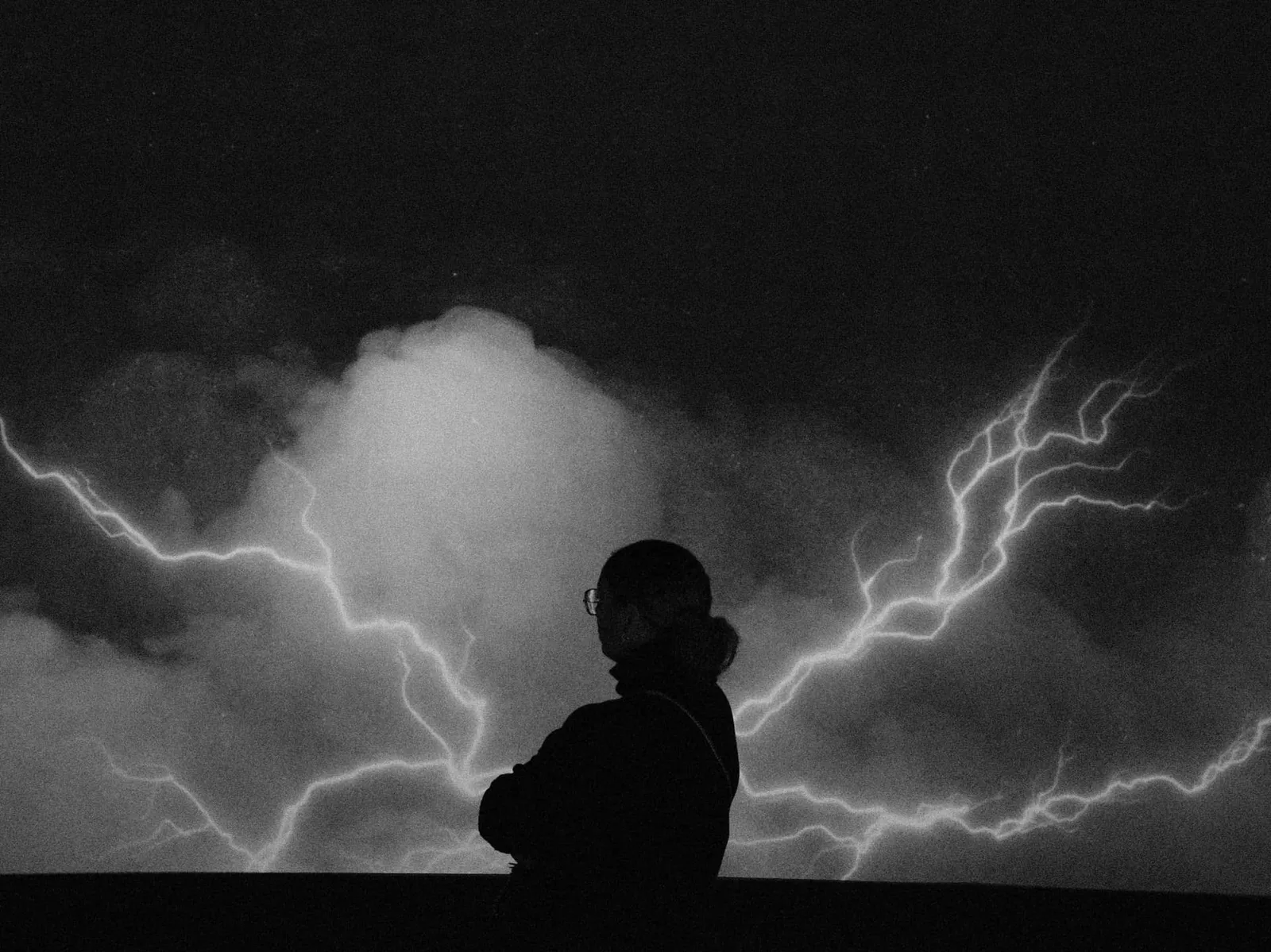
A tip: try slowing your shutter speed down to 1/30s or even 1/15s when the scene allows it. The combination of motion blur and heavy grain creates a raw, cinematic feel that really makes this recipe shine. Where it doesn't work as well: flat, overcast lighting with no contrast, or soft portraits where you want smooth skin tones. Grain Noir doesn't do gentle.
Kodak Tri-X 400: The classic pushed film look
Created by Anders Lindborg and published by Ritchie Roesch on Fuji X Weekly. Kodak Tri-X has been the reference high-ISO black and white film since the 1940s. This recipe is the most convincing digital version of that stock I have found. Ritchie Roesch, who published it, called it the only B&W recipe he was using on his X100V at the time. The recipe is built on ACROS with the Yellow filter, with a strong warm white balance shift (+9 Red, -9 Blue) that gives the shadows a slightly amber cast, close to the look of Tri-X scanned on a warm-toned scanner. The large, strong grain and Clarity at +4 push the contrast further. Ritchie notes that the recipe looks best at ISO 1600 or higher: from ISO 1600 to 3200, the results resemble newer Tri-X 400; from ISO 6400 to 12800, they resemble the older stock. This is a mid-contrast version. For less contrast, set Highlight to -1 and Shadow to +2. For more, set Highlight to +1 and Shadow to +4.
Compatible with any Fujifilm camera with ACROS, including X-T5, X-T4, X-T30 II, X-S20, X-E4, X100VI, X100V, and X-Pro3. On X-Trans III bodies without Clarity (X-T3, X-T30, X-T20), the recipe still works without that setting.
| Film Simulation | ACROS + Yellow filter |
|---|---|
| Grain Effect | Strong / Large |
| Color Chrome Effect | Strong |
| White Balance | Daylight, +9 Red, -9 Blue |
| Dynamic Range | DR200 |
| Highlight | 0 |
| Sharpness | +1 |
| Noise Reduction | -4 |
| Clarity | +4 |
| Exp. Compensation | +1/3 to +1 (typically) |
| ISO | 1600 to 12800 |
When to use it:
Street photography at night or in low light, documentary work, anything where you want that pushed-film urgency. The recipe earns its character at high ISO, so let the grain do its work rather than trying to clean it up.
Reggie's HP5: The versatile everyday monochrome
Created by Reggie Ballesteros. Where Grain Noir and Tri-X are recipes with a strong personality, Reggie's HP5 is the one you load when you want black and white to work in any situation. Reggie built it as a complement to his color Portra recipe, starting from Fuji X Weekly's Ilford HP5 Plus 400 simulation and adjusting it toward a more flexible tone curve. Built on ACROS with the Red filter, with a softer tone curve than most monochrome recipes, it handles street, travel, portraits, indoor and outdoor shooting without needing adjustment. The Weak / Small grain keeps things clean while still feeling organic. Reggie pairs it with a Moment CineBloom 5% diffusion filter to add softness without slowing down the camera's processing. Without the filter, the recipe is still solid; the diffusion is optional.
Compatible with X-Trans IV and V bodies: X-T5, X-T4, X-H2, X-H2S, X-S20, X-E4, X-M5, X100VI, X100V, X-Pro3.
| Film Simulation | ACROS + Red filter |
|---|---|
| Grain Effect | Weak / Small |
| Color Chrome Effect | Off |
| White Balance | Auto |
| Dynamic Range | Auto |
| Highlight | +2 |
| Shadow | +2 |
| Sharpness | -1 |
| Noise Reduction | -3 |
| Clarity | 0 |
| Exp. Compensation | n/a |
| ISO | Manual |
When to use it:
Everything. That's the honest answer. Reggie's HP5 is the recipe to load when you want black and white all day without thinking about whether the light is right for it. It handles harsh sun, overcast skies, indoor scenes, and low light with equal reliability.
Oxygen Mono: The flexible all-day monochrome
Created by Ross and his jpegs. Ross designed Oxygen Mono in early 2026 after feeling he lacked a truly flexible everyday black and white recipe. The goal was a simulation that works in pretty much every scenario: indoor, outdoor, portraits, night, with flash. Based on Monochrome with a Yellow filter rather than ACROS, it has a naturally softer contrast that adapts well to different lighting without blowing out highlights or crushing shadows. The Dynamic Range is set to Auto, letting the camera choose between DR100 and DR200 depending on the scene. Both Color Chrome Effects are set to Strong to add depth in the midtones, particularly in skies and areas with punchy contrast. A slight warm push in the Monochromatic Color setting ties the look together. Grain is Large / Strong for texture, Clarity at 0 for fast processing.
Compatible with any Fujifilm camera with Monochrome film simulation.
| Film Simulation | Monochrome + Yellow filter |
|---|---|
| Grain Effect | Strong / Large |
| Color Chrome Effect | Strong |
| Color Chrome FX Blue | Strong |
| White Balance | Auto |
| Dynamic Range | Auto |
| Highlight | +1 |
| Shadow | +2 |
| Monochromatic Color | WC +1, MG 0 |
| Sharpness | -3 |
| Noise Reduction | -4 |
| Clarity | 0 |
When to use it:
Oxygen Mono is the recipe for when you want to shoot black and white all day without switching presets. It handles the full range of situations without needing adjustment. Good starting point for anyone new to monochrome recipes on Fujifilm.
Newspaper: High-contrast press photography
Created by Kevin Mullins. Newspaper is a nod to black and white press photography from the 1970s and 1980s, images made for impact, printed on cheap paper, full of blown highlights and crushed shadows. Kevin Mullins designed it around the halftone texture and rough contrast of the printed page, not polished digital monochrome.
The key choices are the maxed-out Highlight and Shadow tones (both +4), which compress the dynamic range aggressively, and a cool white balance shift (R:-4, B:-3) that pushes the image toward the slightly cold, detached feel of old newsprint. ACROS with the Yellow filter provides the base, and Strong / Small grain adds the tactile roughness. Sharpness at +2 keeps edges crisp under all that contrast and grain. Clarity is left at 0 intentionally: adding it would modernize the look too much.
Compatible with any Fujifilm camera with ACROS. Some settings (Grain Size) may not be available on older X-Trans II bodies.
| Film Simulation | ACROS + Yellow filter |
|---|---|
| Grain Effect | Strong / Small |
| White Balance | Auto, R:-4, B:-3 |
| Dynamic Range | n/a |
| Highlight | +4 |
| Shadow | +4 |
| Sharpness | +2 |
| Noise Reduction | 0 |
| Clarity | 0 |
When to use it:
Street scenes with bold shadows, storytelling in harsh light, detail shots where texture and contrast carry the image. Newspaper flattens the scene on purpose, trading shadow detail for impact. Don't use it for portraits or anywhere you need that detail back.
Which recipe for which situation
| Recipe | Best for | Character |
|---|---|---|
| Grain Noir | Street, harsh sunlight, strong shadows | High contrast, strong grain |
| Kodak Tri-X 400 | Low light, night street | Pushed-film urgency |
| Reggie's HP5 | All day, unpredictable light | Versatile, no preset switching |
| Oxygen Mono | All day, unpredictable light | Flexible, softer tone curve |
| Newspaper | When the frame should feel printed | High-contrast press look |
Five recipes, five different approaches to black and white. Grain Noir is my default: high contrast, strong grain, built for the street. Kodak Tri-X is the choice when light is low and you want that pushed-film urgency. Reggie's HP5 and Oxygen Mono are the all-day options when the light is unpredictable and you don't want to think about switching presets. Newspaper is the one you load when you want the image to feel like it was printed, not displayed on a screen.
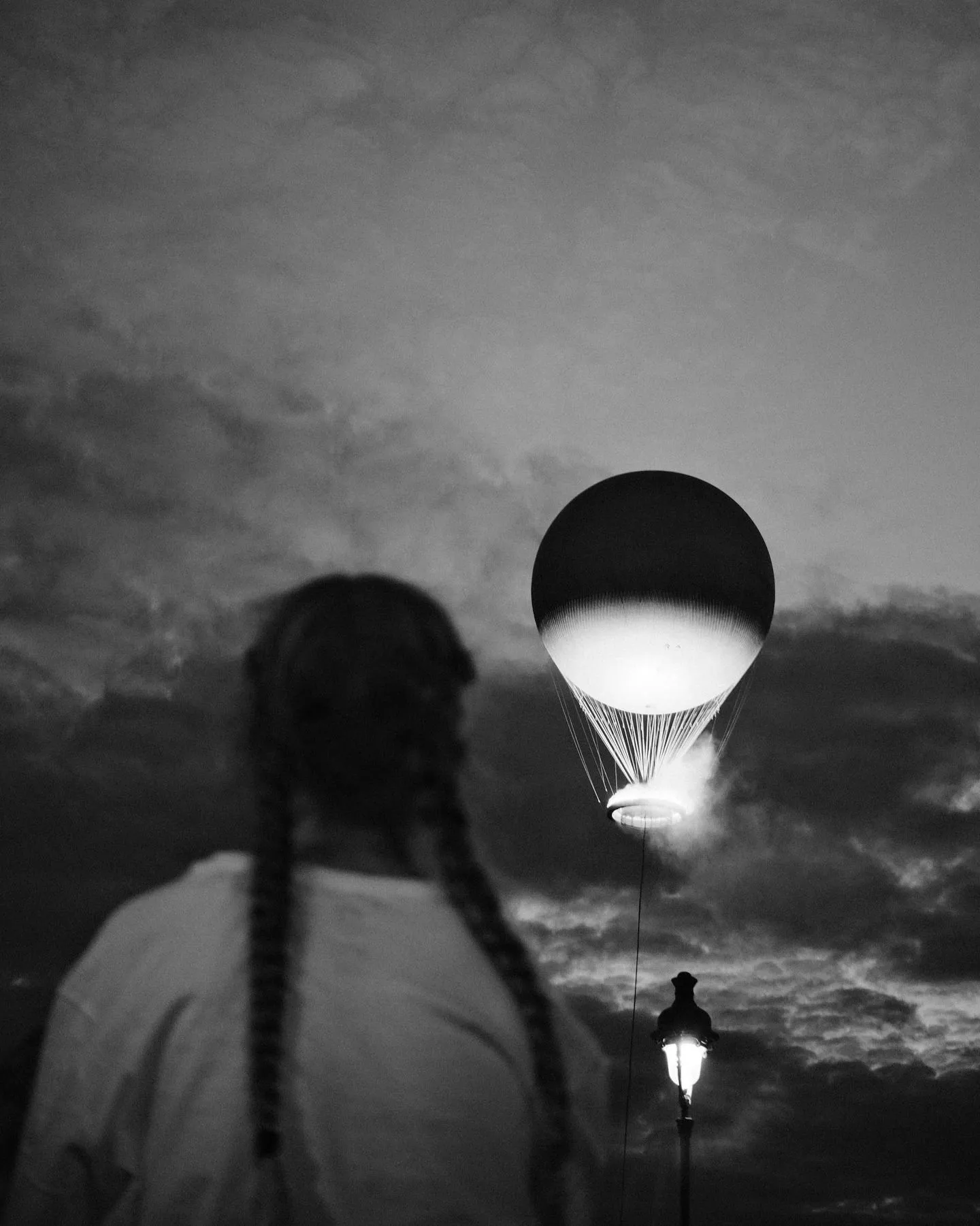
All of them produce finished JPEGs on any recent Fujifilm body: X-T5, X-T4, X-H2, X-H2S, X-S20, X-E5, X-E4, X-M5, X100VI, X100V, X-Pro3, and GFX models. If you are still picking a body, the full Fujifilm lineup compared lays out which generation each one uses.
Black and white is only half of what stays on my camera. The colour side lives in my recipes for summer, and monochrome is also where printing pays off most: contrast and grain that look heavy on a screen settle down on paper, which I go into in my notes on the Canon Selphy CP1500.
Help me keep writing
If these articles are useful to you, have a look at what I make.
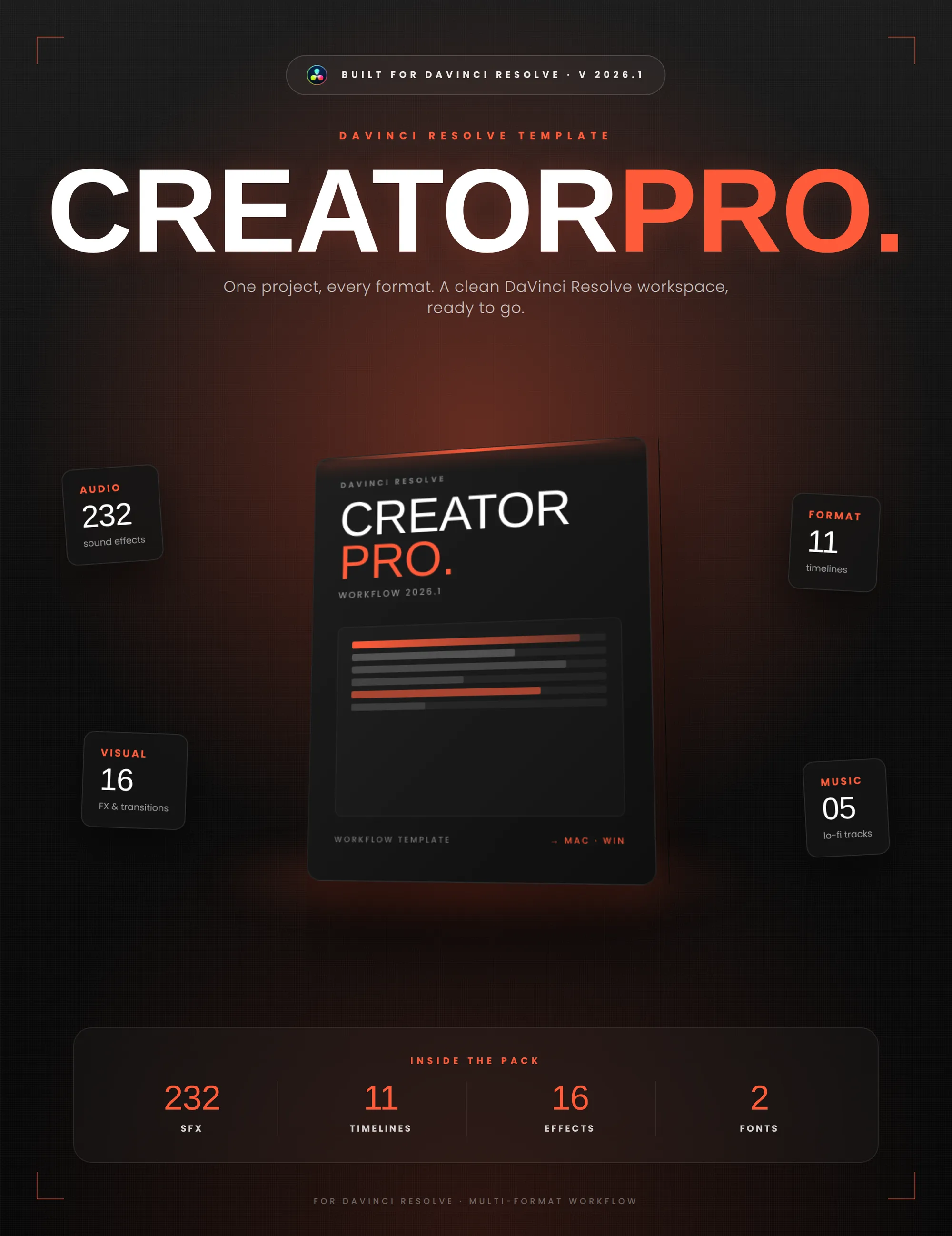
Creator Pro
The ultimate DaVinci Resolve workspace for creators
View plugin — €29.00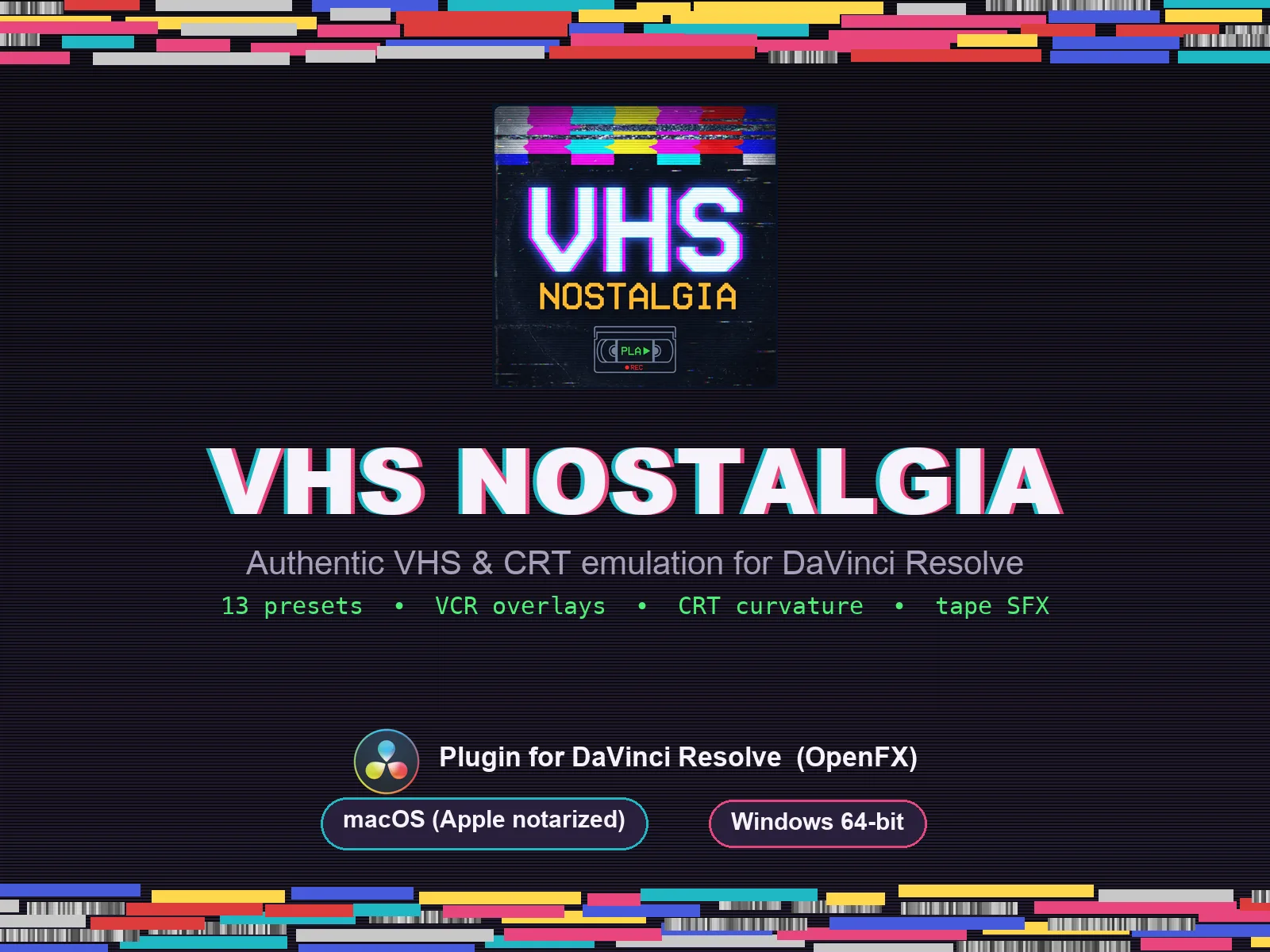
VHS Nostalgia
Real VHS & CRT emulation for DaVinci Resolve
View plugin — €39.00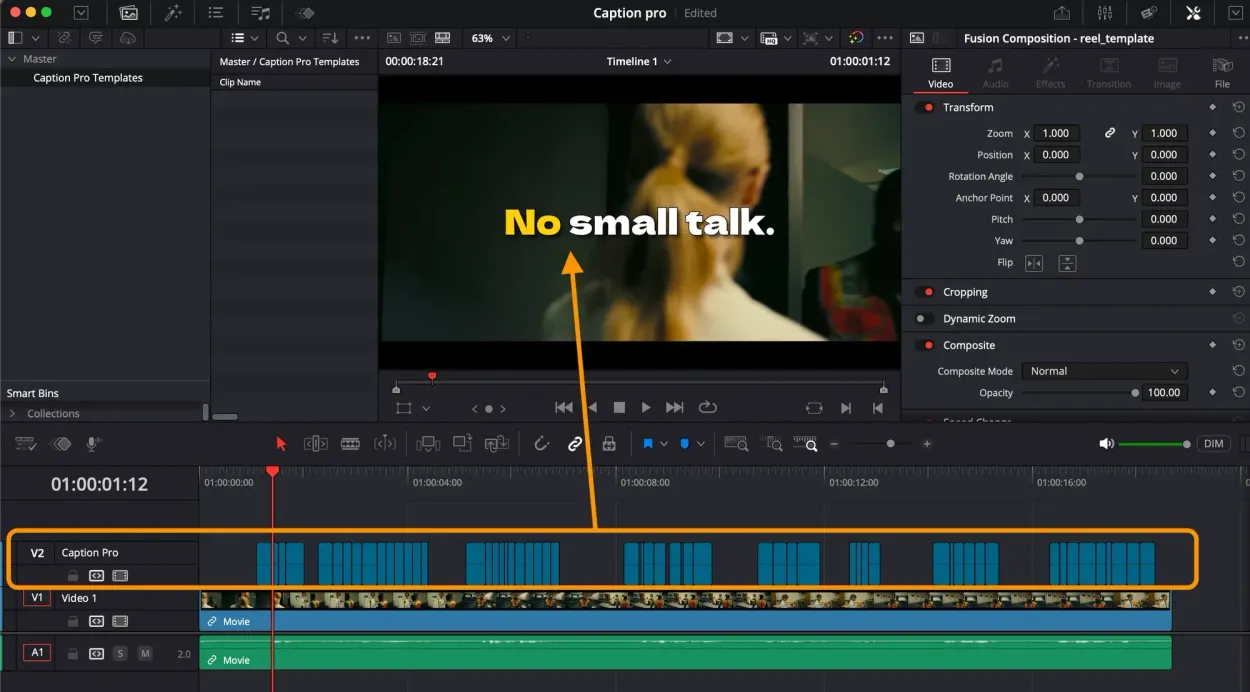
Caption Pro
Automatic word-by-word captions and translation for DaVinci Resolve
View plugin — €29.00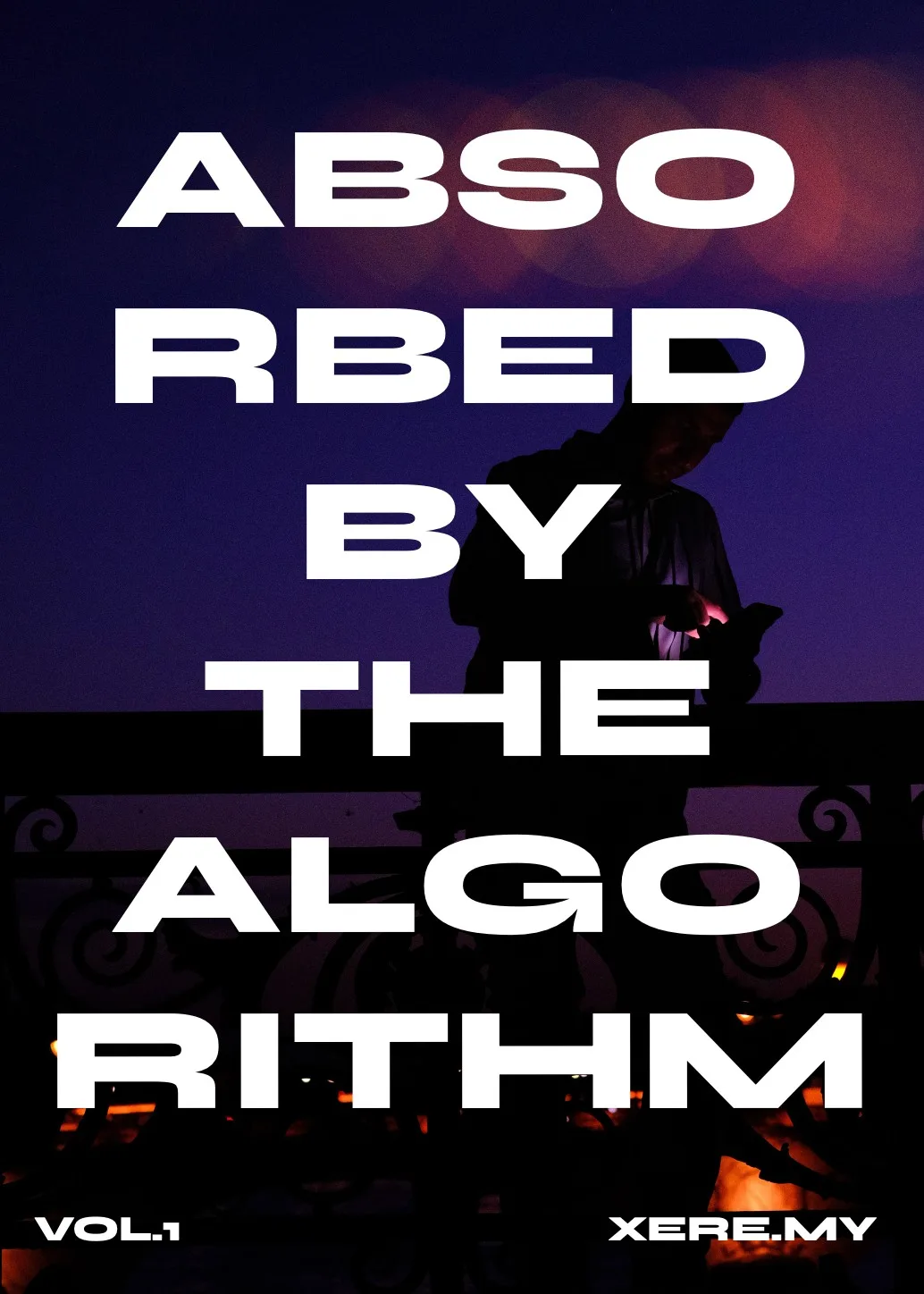
Get the zine
"Absorbed by the algorithm Vol. 1": 33 images shot in Paris, 28 pages, shipped worldwide.